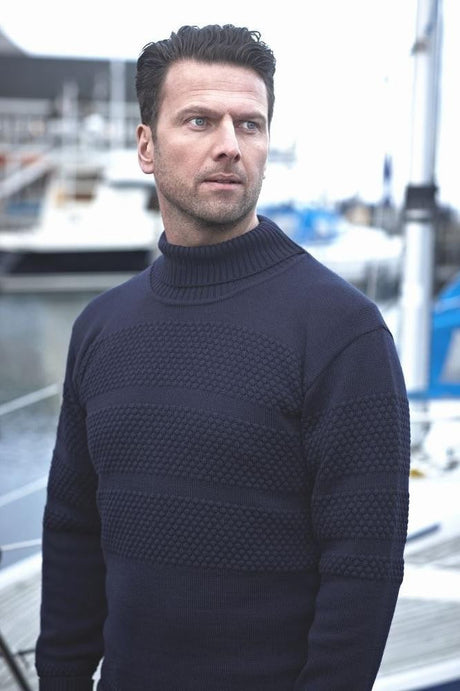
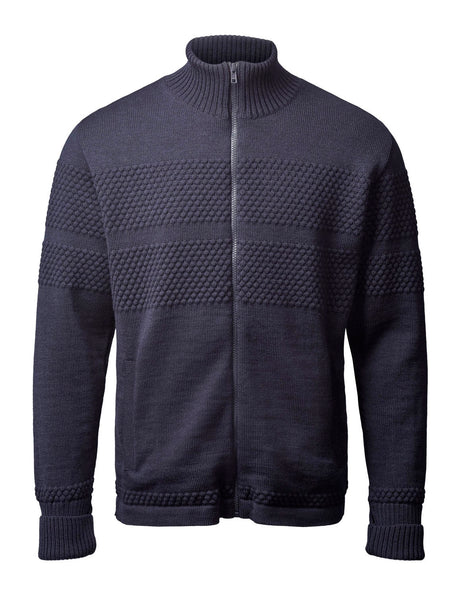
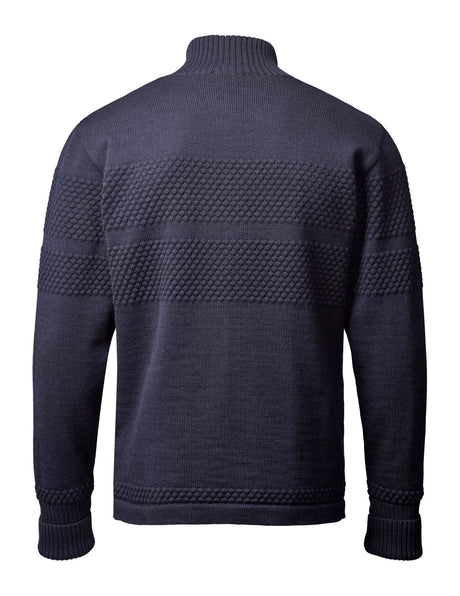
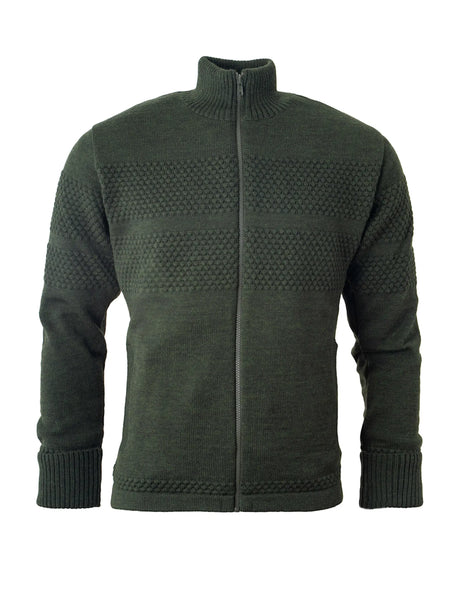
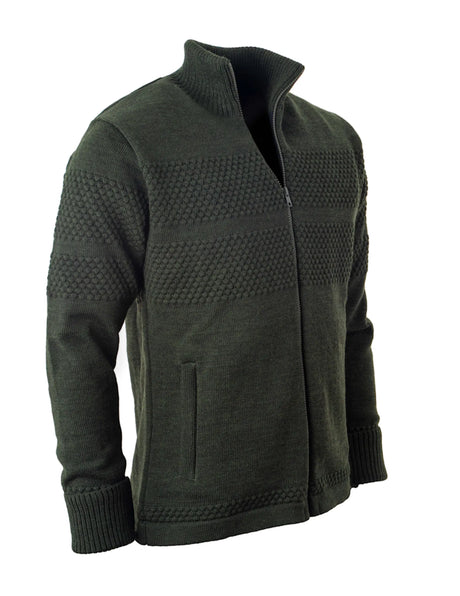
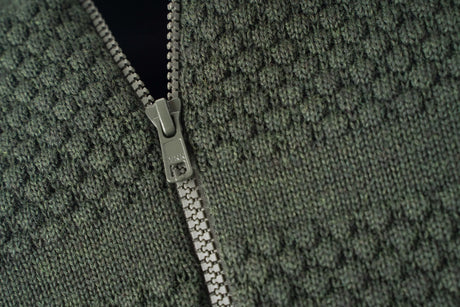
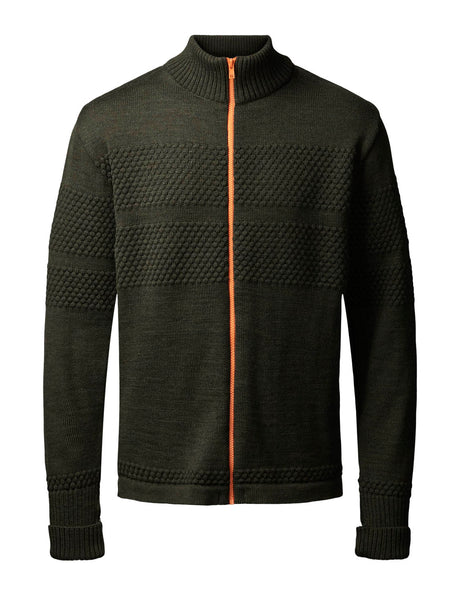
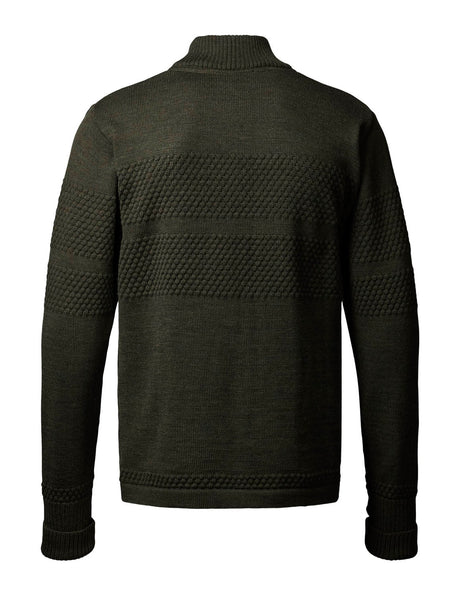
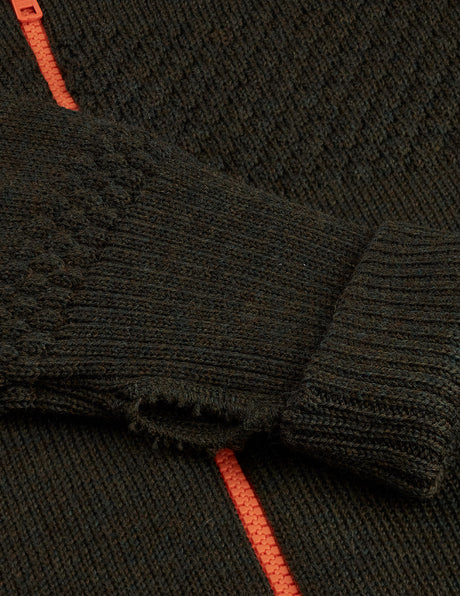
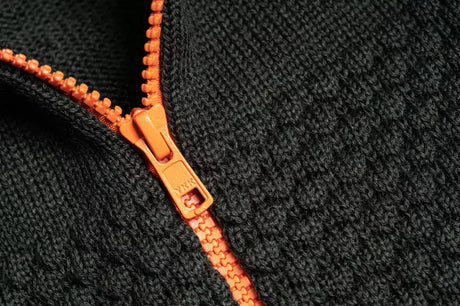
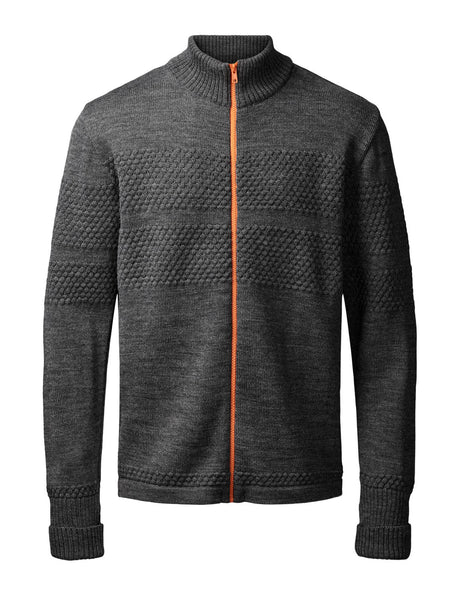
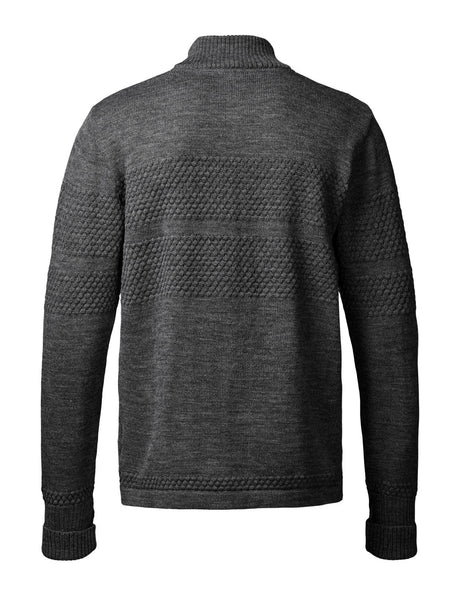
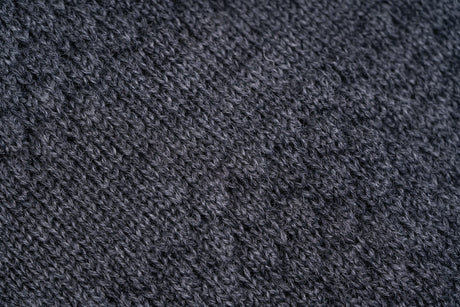
A sailor's sweater, also known as a "Fisherman's sweater" or "Gansey sweater", is a knitted sweater that was traditionally worn by fishermen and sailors to keep warm at sea in the cold northern waters.
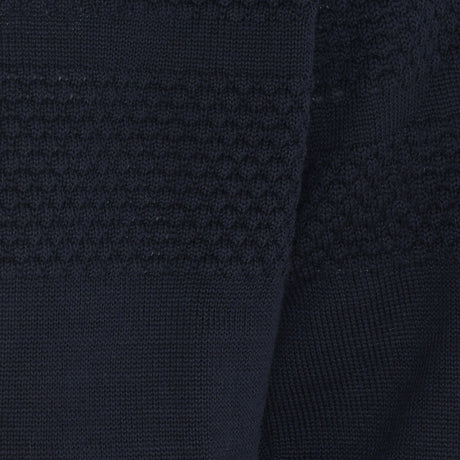
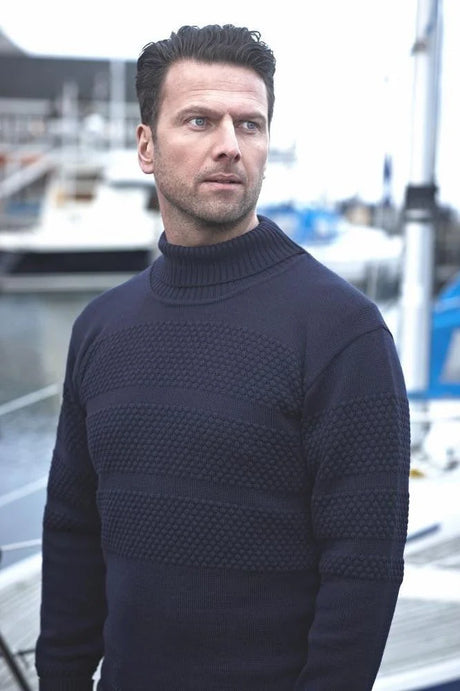
The sweater is known for its distinctive pattern, which often consists of cable patterns and structures that provide extra warmth and durability. The pattern is not only decorative, but also practical, as the different structures help make the sweater more durable and resistant to wind and water.
The original sailor sweater was typically knitted in wool and often had a tight fit to provide optimal warmth and freedom of movement. Today, the sailor sweater is still a popular garment and can be found in different materials and colors, but the traditional cable patterns and structures are still an important part of the design.
What is the original sailor shirt?
The original sailor sweater is known as the "gansey" or "guernsey" and originates from the Channel Islands, an archipelago between France and Great Britain. Originally knitted for fishermen and sailors, the sweater was designed to protect against wind and cold at sea.
The sweater was knitted in a dense pattern of 5 or 7 threads in pure, unbleached wool, giving it a robust quality capable of withstanding the harsh conditions of the sea. It was also designed with a snug fit that provided warmth and protection from the wind, while being flexible enough to allow freedom of movement during fishing and other activities at sea.
The gansey became a popular shirt throughout Britain and was an important part of fishermen's and sailors' clothing for many years. Today, it remains a popular sweater style and has become an iconic symbol of seafaring and fishing culture.
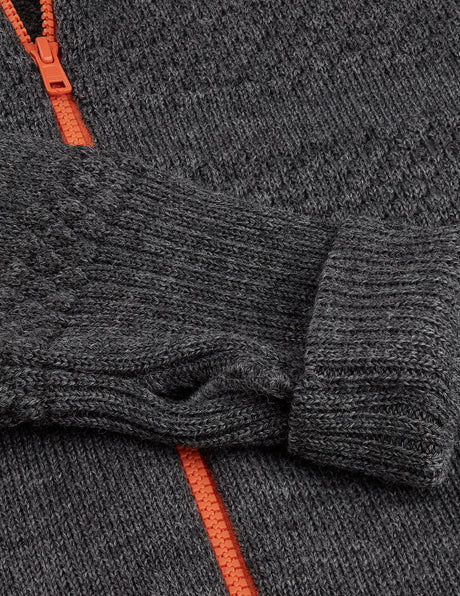
There isn't one particular sailor sweater that can be called "the original sailor sweater", as sailor sweaters have existed in different varieties and styles for several centuries. However, there are some classic design elements that are characteristic of sailor sweaters, such as a high neck, close fit, ribbed edges and typically a pattern on the chest or sleeves. The most famous variant is probably the "Fisherman sweater" from the Aran Islands in Ireland, which has a pattern that symbolizes the life of fishermen and the challenges they face at sea.
What does the pattern in a sailor sweater mean?
The pattern of a sailor sweater, also known as a "Fisherman sweater" or "Gansey sweater", is traditionally made of dense, vertical ribs and braids. These patterns serve several purposes: first, they make the sweater more elastic, allowing it to stretch and move with the sailor's body. Second, the patterns also allow sweat to wick away from the sweater while still retaining warmth. Finally, the patterns can also act as identification markers for a particular fishing village or family, as the different patterns and braids were often passed down from generation to generation and were specific to certain areas.
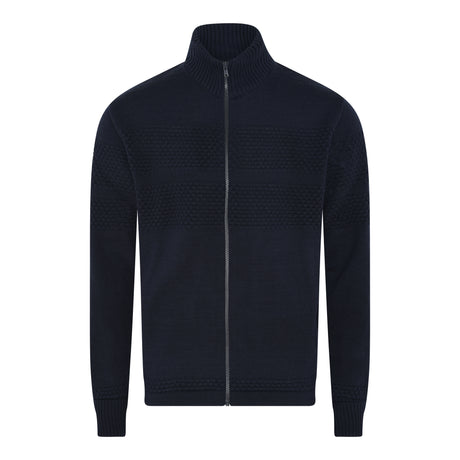
Zipper or turtleneck?
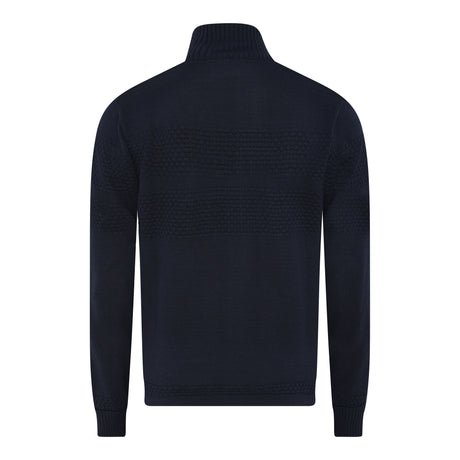
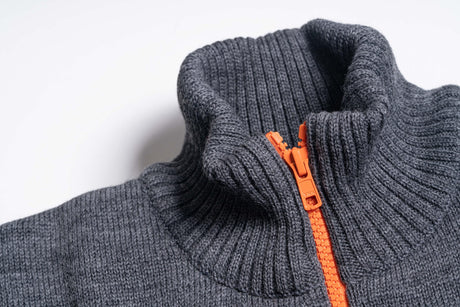
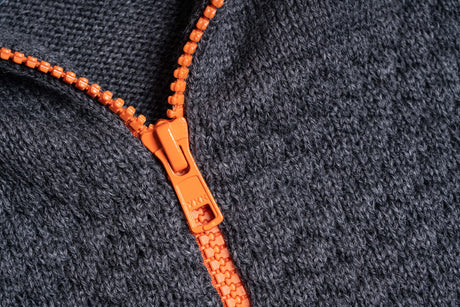
It depends on your preferences and the purpose of the sweateen. A sailor sweater with a zipper is practical if you want to be able to regulate the temperature and have a more relaxed style. A sailor's sweater with a turtleneck is more traditional and warm, as it provides extra protection against the cold and wind around the neck. It can also give a more formal look if you wish. So it's all about choosing the type of sailor sweater that best suits your style and needs.



 SEE THE SELECTION