★★★★★ Trustpilot | Safe shopping: Member-owned store since 1969 | 1-2 day delivery | 30 day return policy

Hestra Skihandsker

Hestra Ski Gloves


Hestra Skihandsker

Hestra Ski Gloves

(72 produkter)

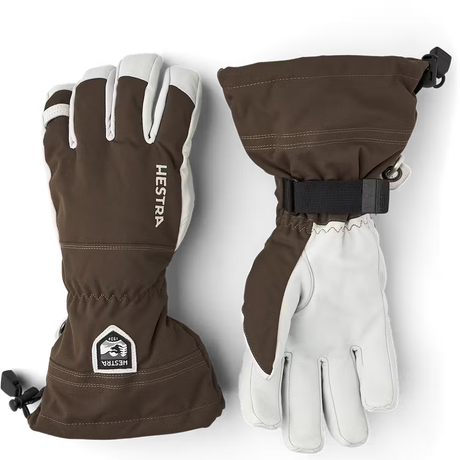
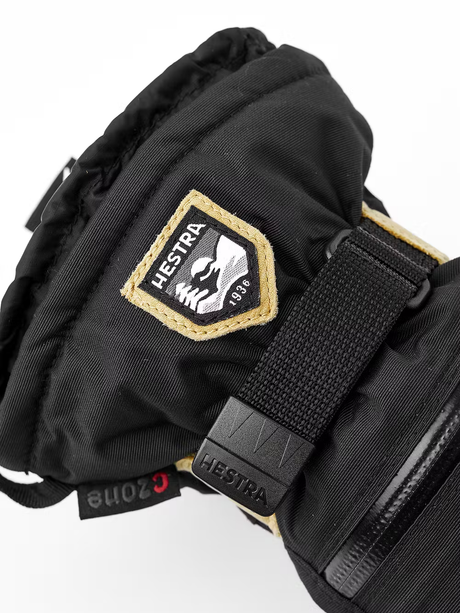
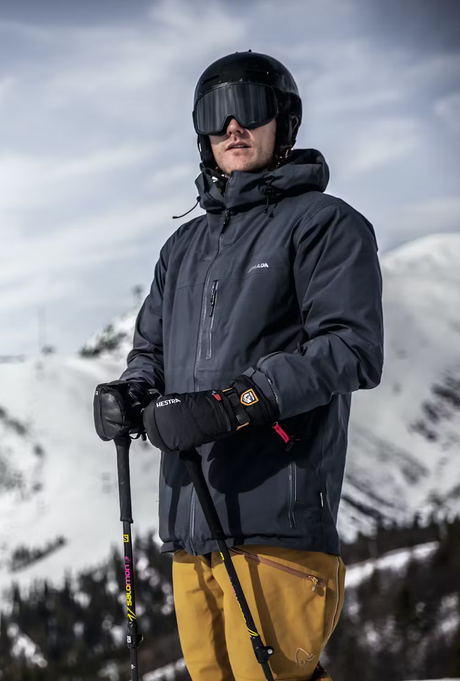
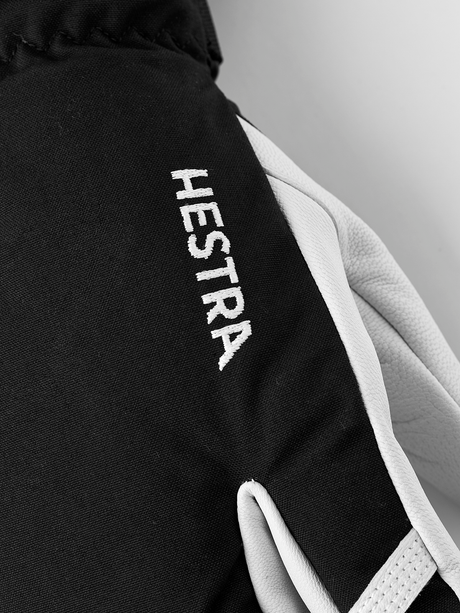
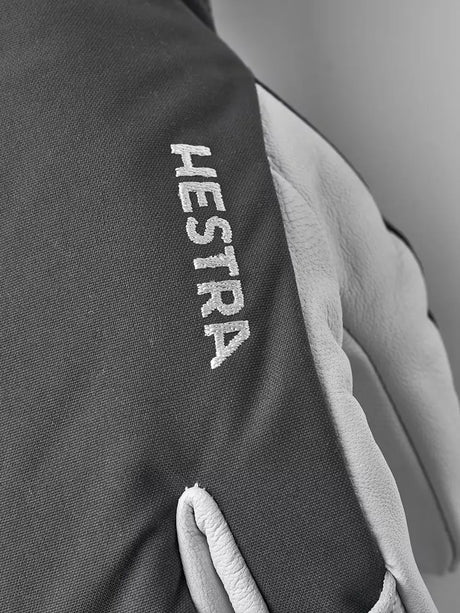
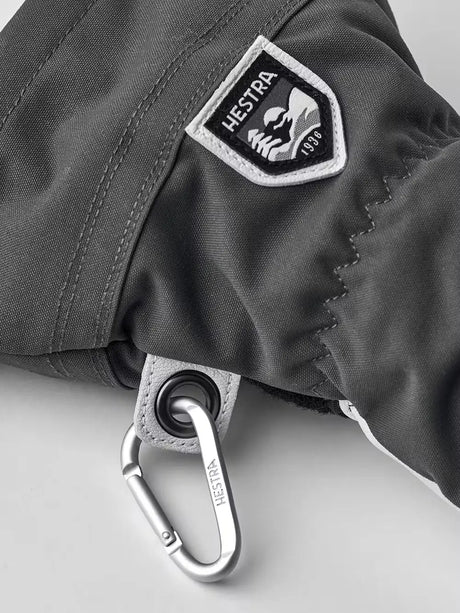
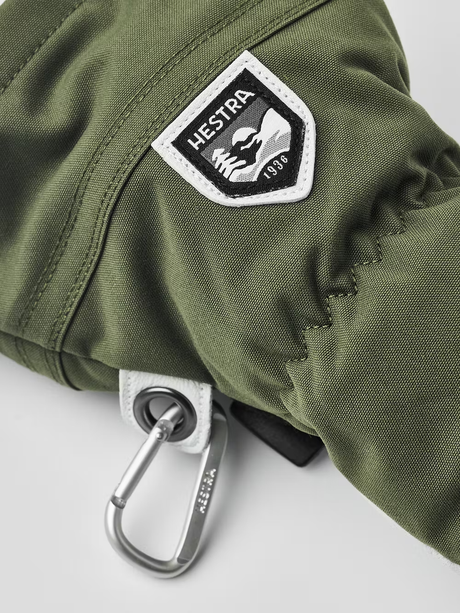
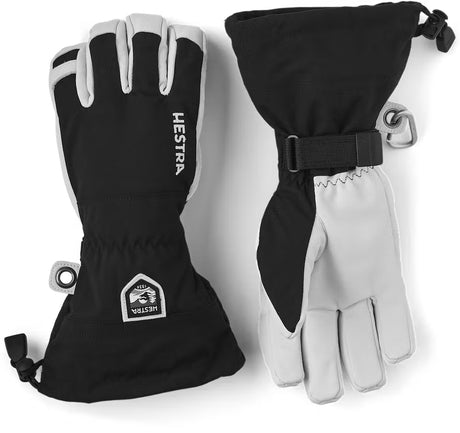
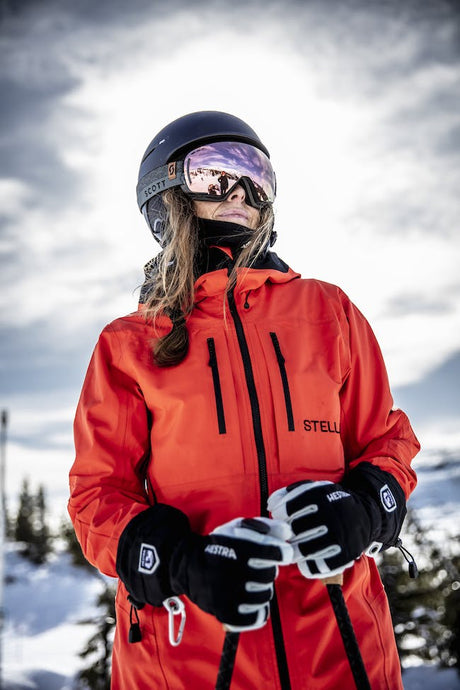
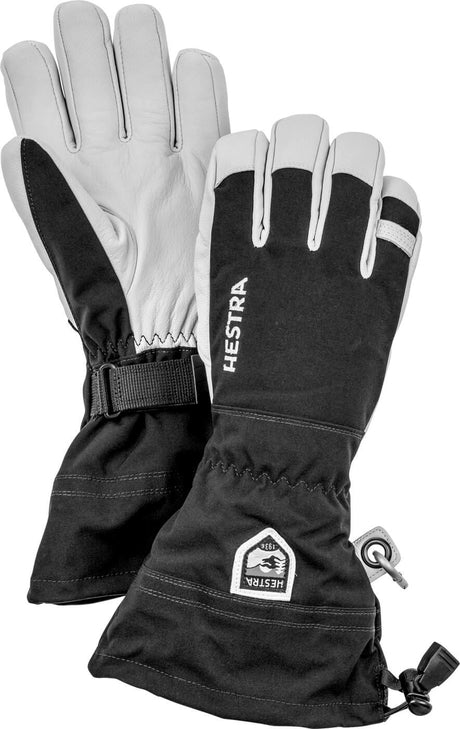
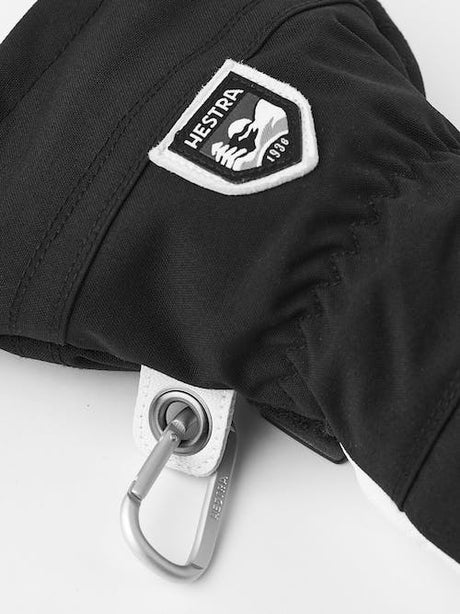
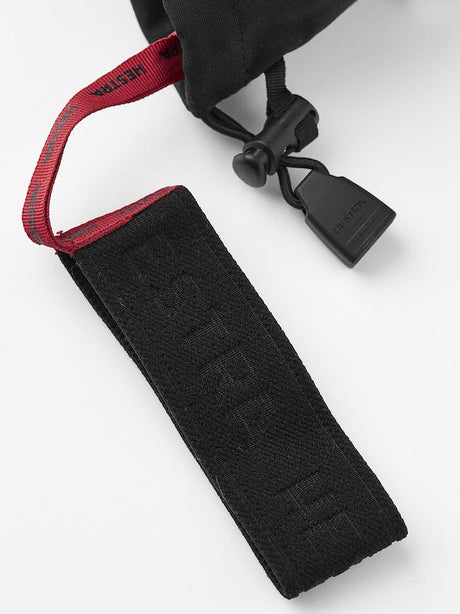
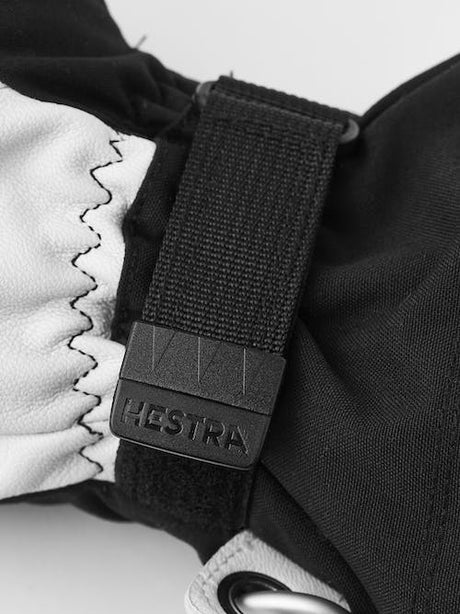
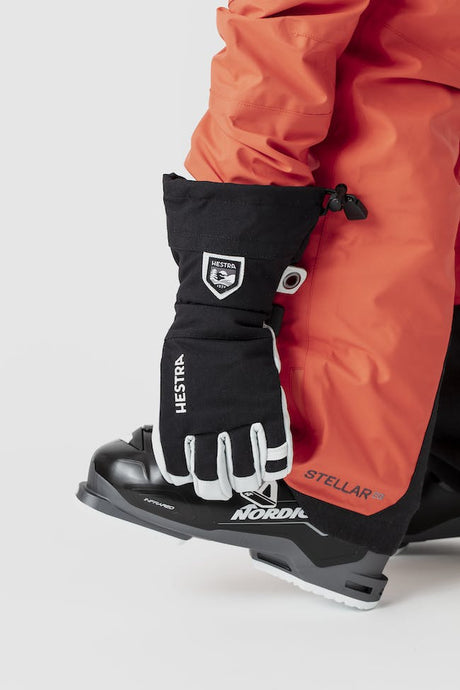
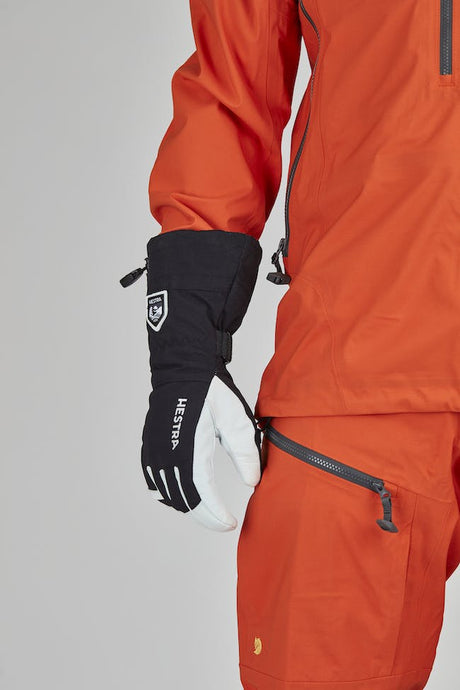
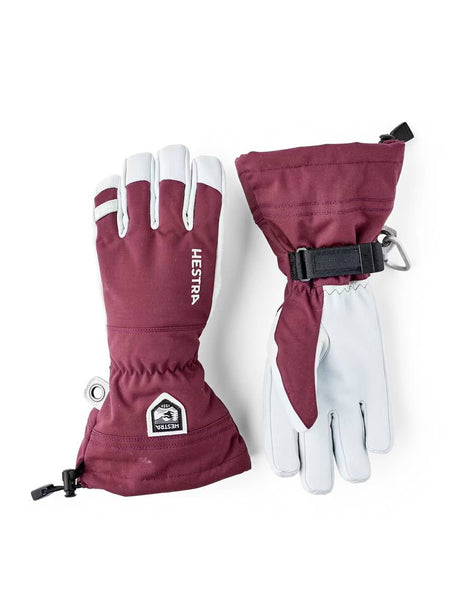
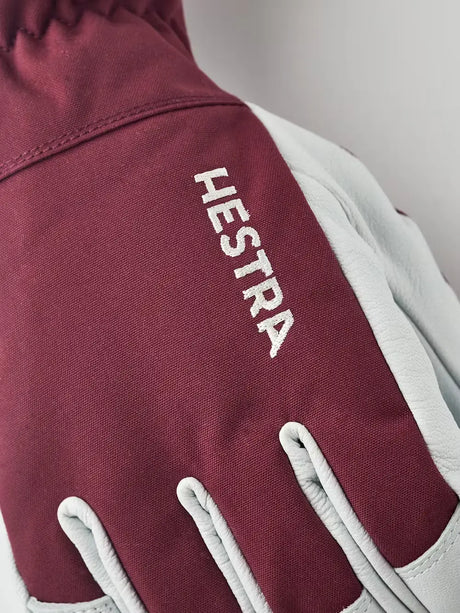
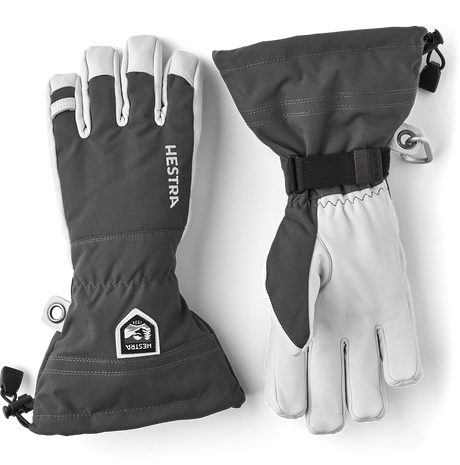
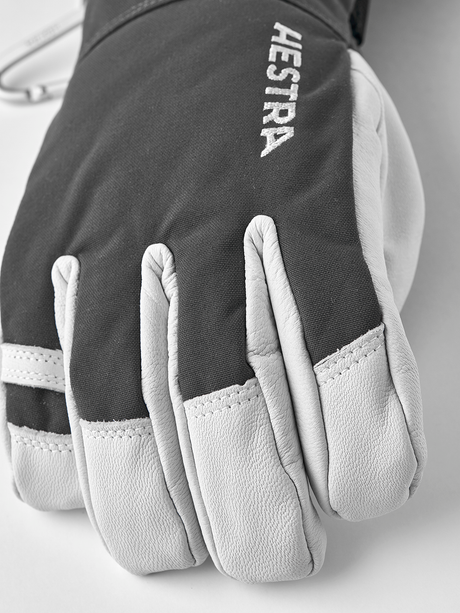
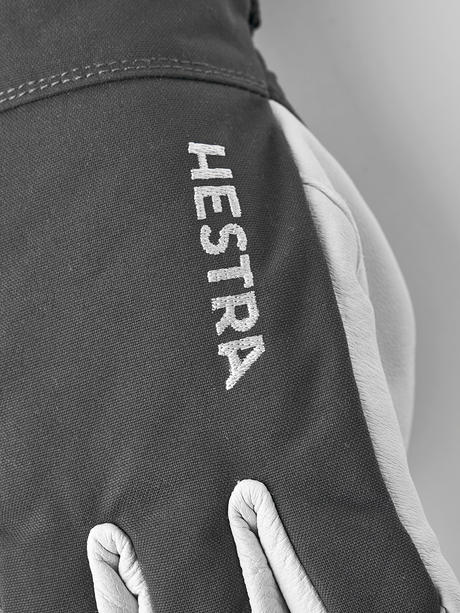
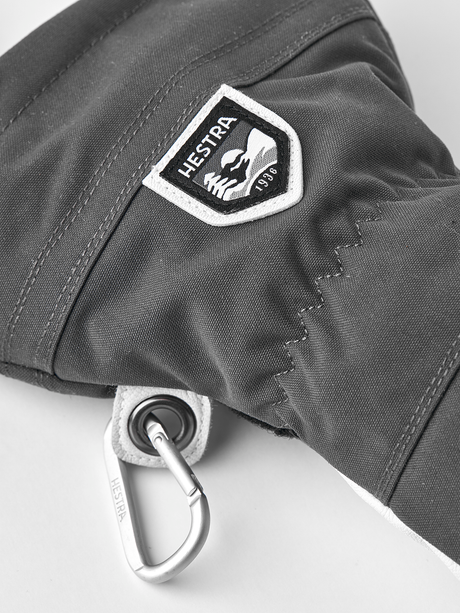
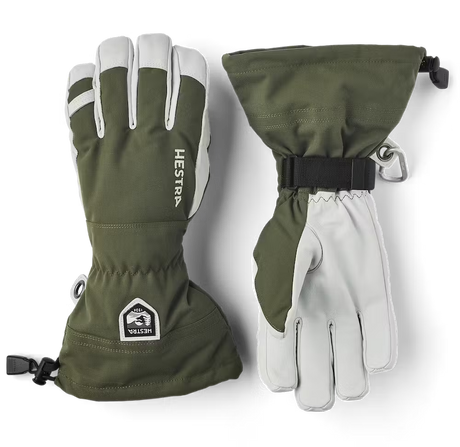
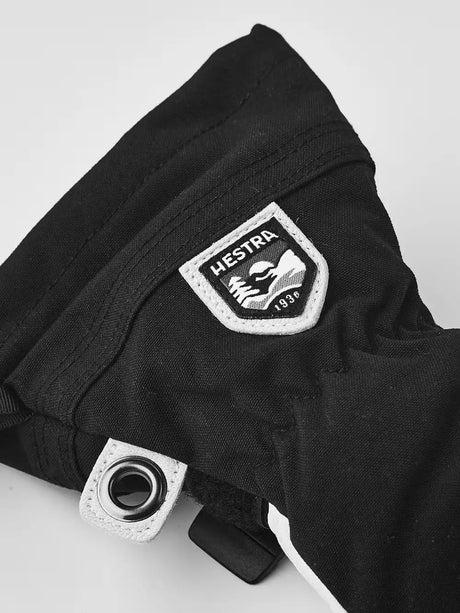
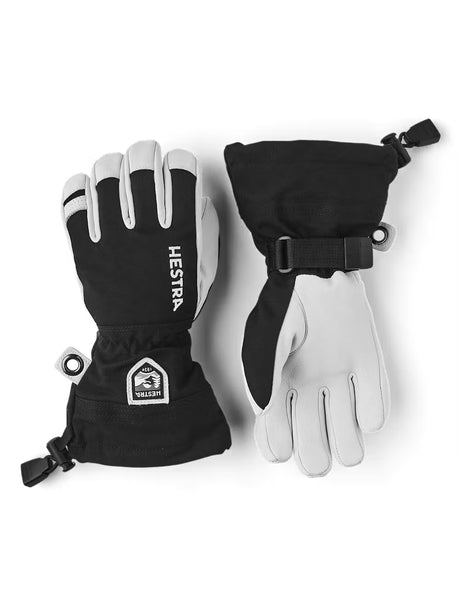
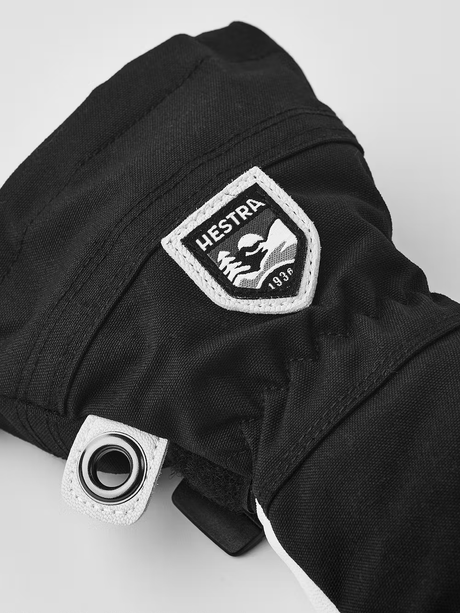
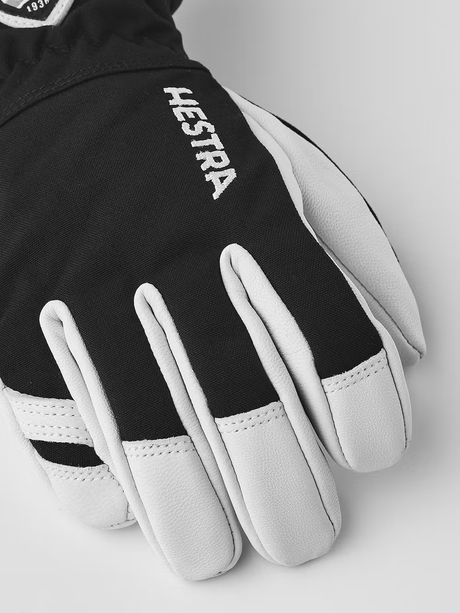
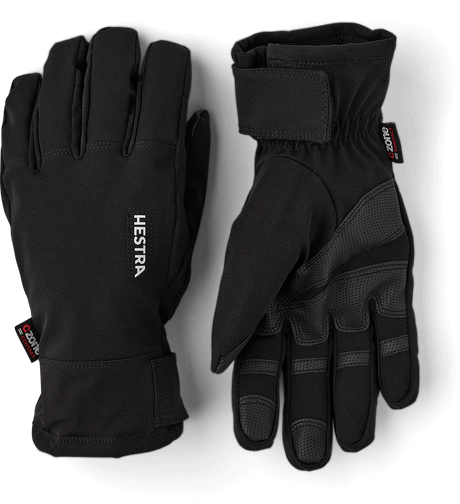
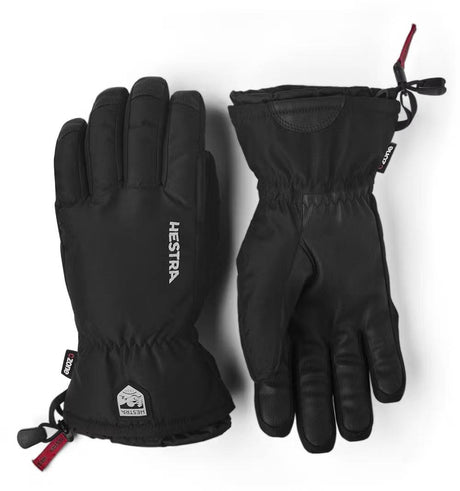
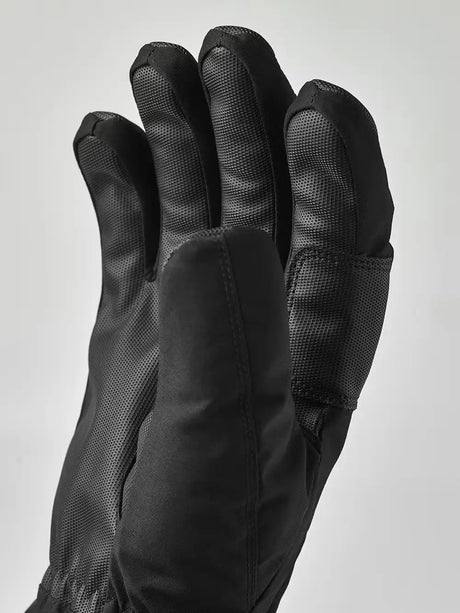
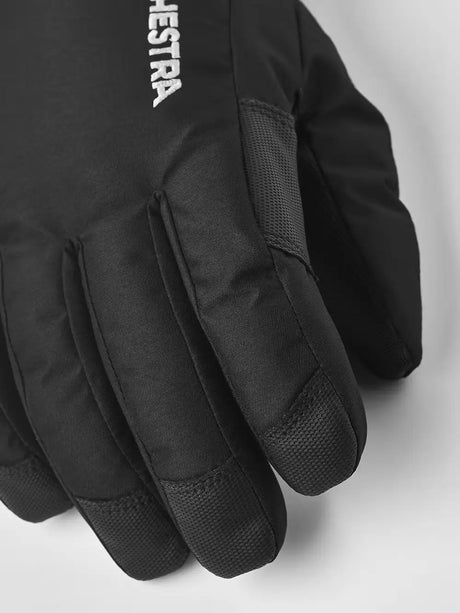
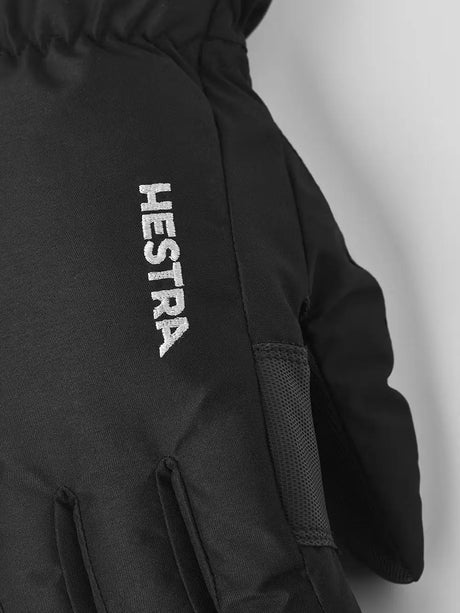
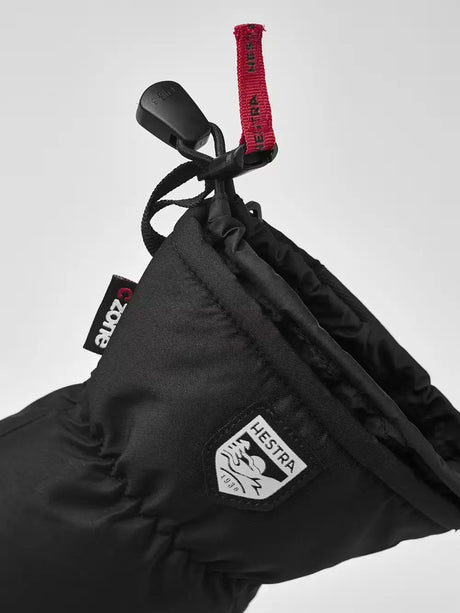
Hestra is a leading manufacturer of ski gloves and has been since 1936. Their ski gloves are known for their high quality and durability, and are designed to provide maximum protection and comfort in even the most extreme skiing conditions.

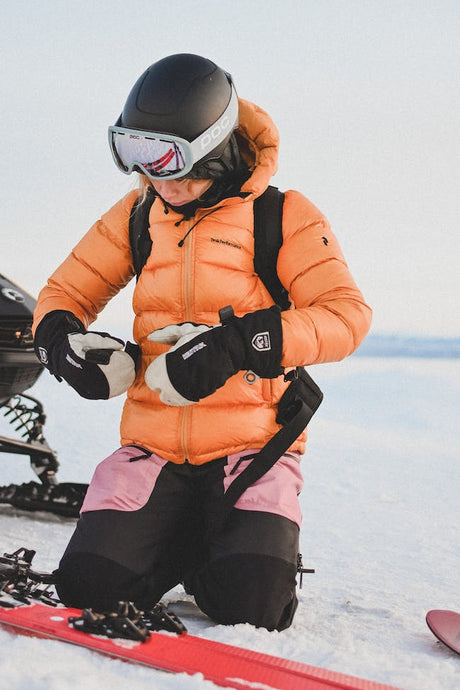
When you're on the slopes, your hands are one of the most exposed parts of your body. Therefore, it is essential to have the right ski gloves to protect them from cold, snow and wind. Hestra ski gloves are designed with this in mind, and are developed to provide maximum protection and comfort in even the toughest skiing conditions.

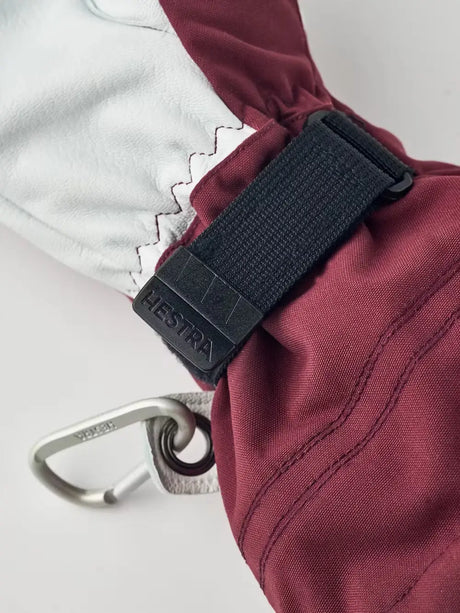
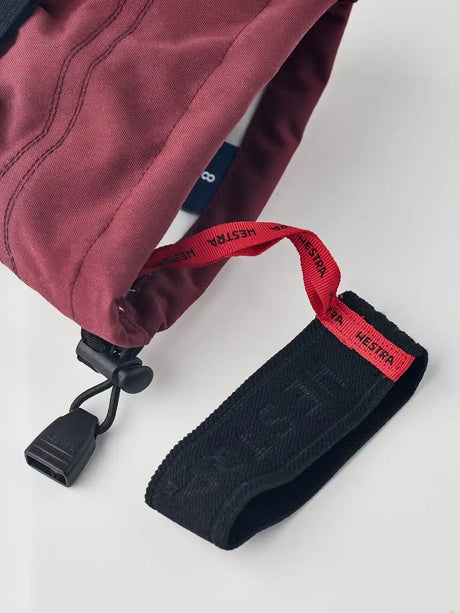
Hestra ski gloves are made from the finest materials, and each glove is carefully designed to meet specific requirements and needs. This includes everything from comfort and freedom of movement to protection from the elements and durability.

One of the most important properties of Hestra ski gloves is their thermal insulation. Most Hestra ski gloves are filled with the innovative and environmentally friendly insulation material Primaloft, which provides extraordinary warmth and protection against the cold. Primaloft is known for its high insulating capacity and light weight, making it the perfect choice for ski gloves.

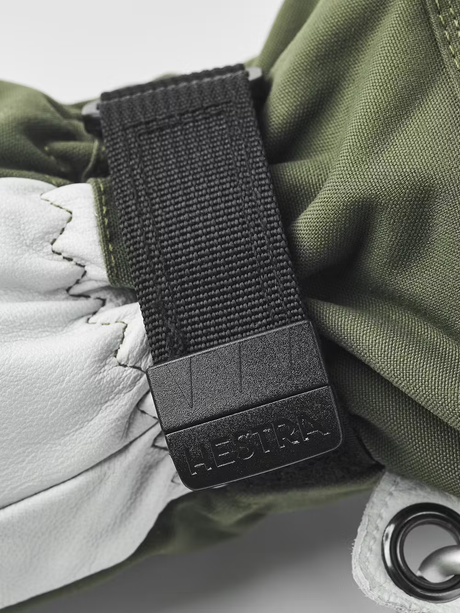
Hestra ski gloves are also known for their fantastic fit and freedom of movement. The gloves are designed to fit close to the hand without feeling tight or uncomfortable. This allows you to move your hands freely and effortlessly, which is essential to have the necessary control and balance on the slopes.

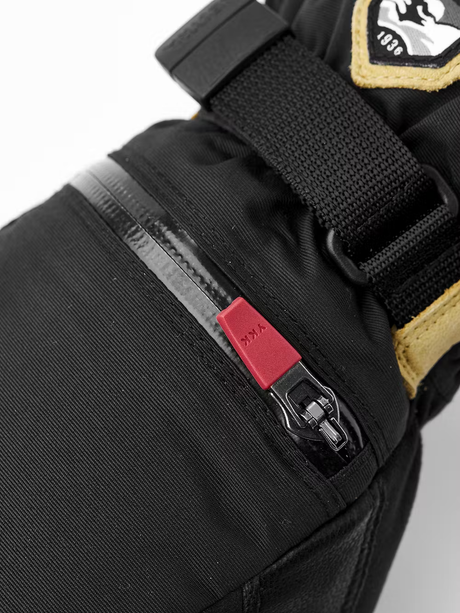
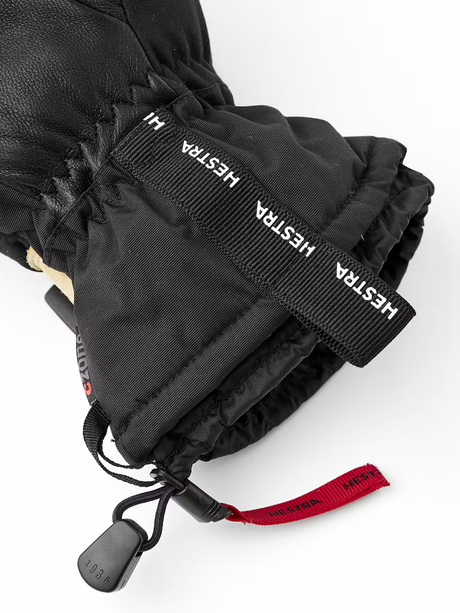
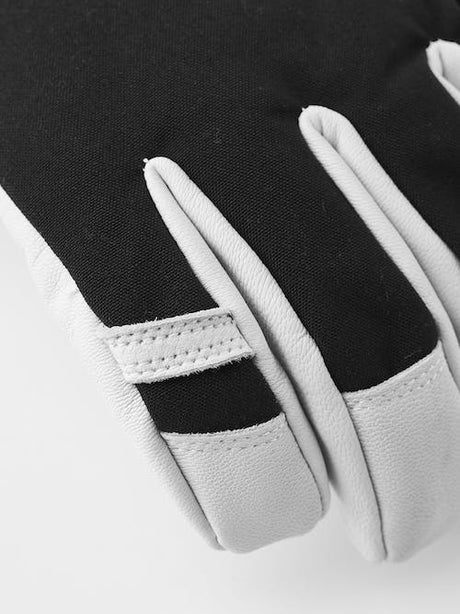
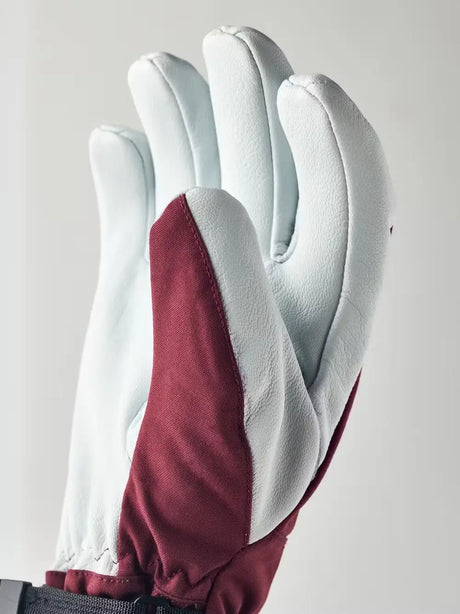
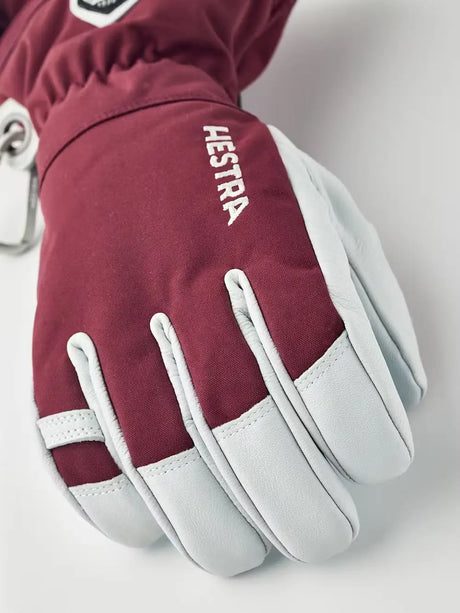
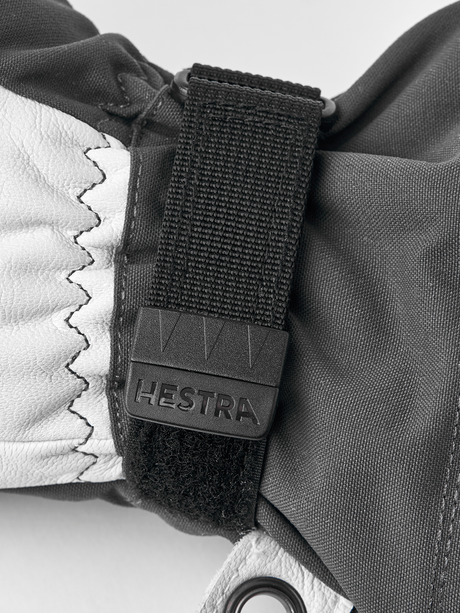
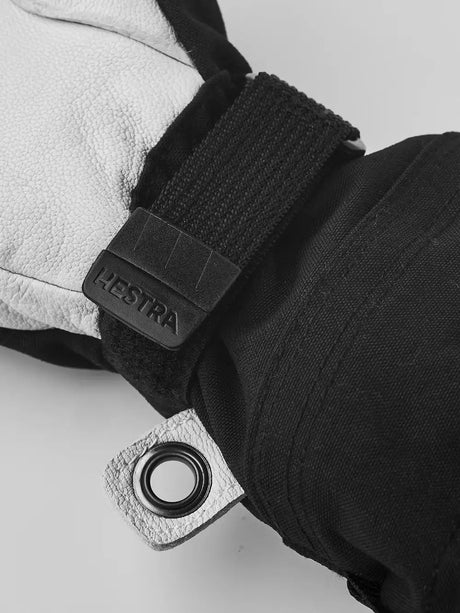
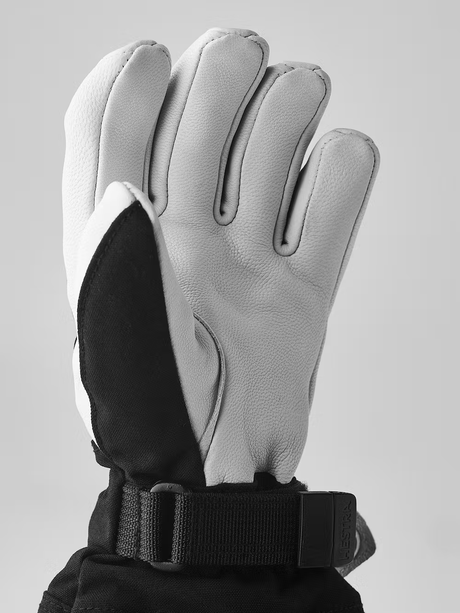
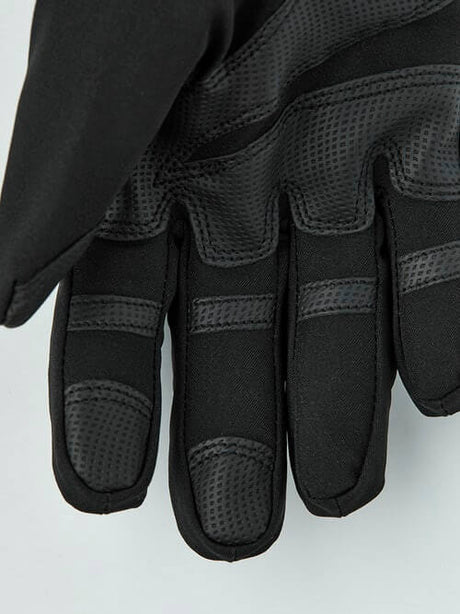
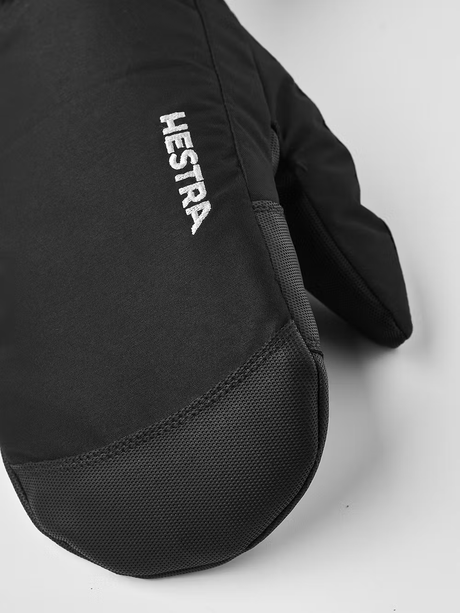
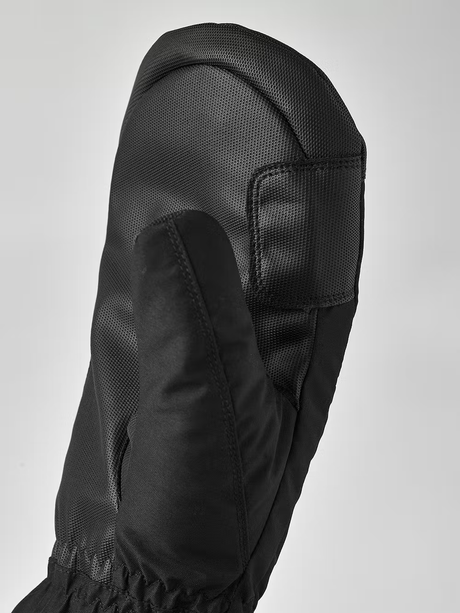
Hestra ski gloves are also designed with high quality and durability in mind. The gloves are made from robust and durable materials that can withstand tough skiing conditions. This includes everything from waterproof and breathable membranes to durable leather reinforcements in exposed areas.

If you are looking for a ski glove that is perfect for your needs, then Hestra certainly has something that suits you. They offer a wide selection of ski gloves in different sizes, styles and colors so you can find one that perfectly matches your look and preference.

For example, if you are looking for a ski glove that is perfect for cross-country skiing or ski school, then the Hestra XC Primaloft Glove is a great option. This glove is designed to provide exceptional thermal insulation and protection against the cold, while providing optimal freedom of movement and control.

Which ski gloves are best?

The choice of ski gloves depends on personal preferences and needs. However, there are several factors that can help determine which ski gloves are best for you.

  • Weather conditions:
    Depending on where you ski, you may need ski gloves that are specifically designed for certain weather conditions. If you ski in cold weather, you will probably need warm and insulated ski gloves. If you ski in milder weather conditions, a pair of lighter ski gloves may be sufficient.

  • Insulation:
    The insulation in ski gloves plays an important role in their thermal properties. Down insulated ski gloves are often the warmest option, but synthetic insulation can also be a good option. Also remember that too much insulation can lead to sweaty hands and cold when you take your gloves off.

  • Water tightness:
    It is important to choose ski gloves that are waterproof to protect your hands from moisture. Gloves with a high water column are better at resisting moisture, and many ski gloves have taped seams to prevent water from entering the gloves.

  • Breathability:
    It is also important to choose ski gloves that are breathable so that your hands do not get too sweaty or clammy. Breathable ski gloves allow sweat and moisture to evaporate so your hands can stay dry and warm.

  • Fit:
    Finally, the fit is important. It's important to find ski gloves that fit your hands well to maximize their warmth and protection. Gloves that are too large can lead to cold, while gloves that are too small can restrict freedom of movement.


When looking for the best ski gloves, consider these factors and choose a glove that fits your specific needs and preferences. One of the most popular brands of ski gloves is Hestra, which offers a wide range of ski gloves with different functions and technologies to meet different needs and weather conditions.

What are the warmest ski gloves?

The warmest ski gloves depend on various factors such as your own body heat, activity level and weather conditions. In general, the warmest ski gloves are those that have thick insulation and a good waterproof outer shell.

Are mittens or gloves warmer?

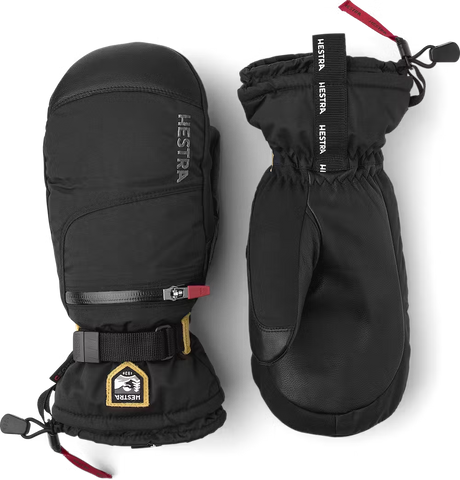
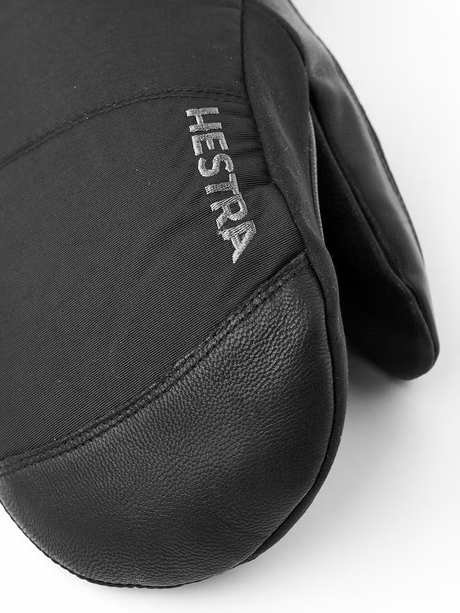
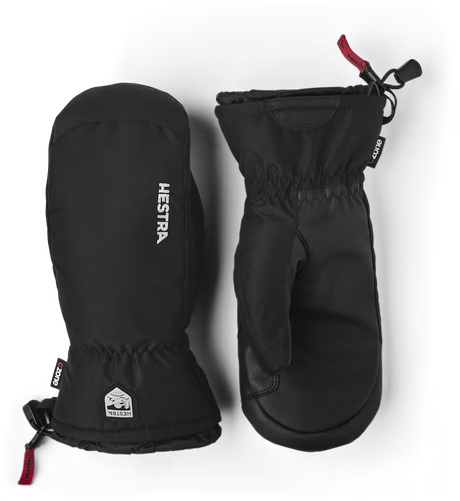
Generally speaking, mittens are warmer than gloves, as they provide more space for the fingers and thus increase the warmth. The fingers can move and share the heat, creating a warmer atmosphere inside the glove. Mittens also provide a larger surface on the inside of the glove, which can retain heat longer than a glove with separate fabric for each finger.

But there are also disadvantages to mittens. Because they do not have individual spaces for the fingers, it can be more difficult to handle objects that you want to have a good grip on, such as ski poles or other tools. Gloves, on the other hand, allow better finger flexibility and precision, as the fingers are more free to move individually, which can be an advantage in certain situations.

So all in all, if warmth is the primary concern, mittens are often the best choice. However, if precision and finger flexibility are more important, a glove may be the best choice. It depends on the individual's preference and needs.

How big should ski gloves be?

The size of ski gloves varies depending on the brand, style and material. Finding the right size is important as it affects the comfort and performance of the gloves. If the gloves are too small, they can be uncomfortable and restrict blood flow to the hands, which can lead to cold and frostbite. If the gloves are too large, they may not provide sufficient warmth and protection from the weather, and you may lose sensation and dexterity.

The traditional glove sizing system was developed hundreds of years ago in France. Thousands of hands were measured, and a correlation emerged: if you measure the circumference of the palm, the other measurements of the hand are often in relation to it. Measure the circumference of your hand with a tape measure. If you don't have a tape measure, you can use a string, which you then measure with a ruler. Compare the size measurements in our size guide, which you will find on each product page.

To find the right size of ski gloves, measure your hand using a tape measure. Place the measuring tape around the palm of your hand just below the knuckles. Hold the tape measure tight, but not too tight. Then look at the size chart for that brand and style and find the size that matches your measurement.

It's also a good idea to try the gloves on before buying to make sure they fit well and feel comfortable. Some brands also offer different fit options, such as narrow or wide fits to suit different hand shapes.

It is important to note that ski gloves usually need to have some space to allow air between the glove and the skin, which helps keep the hands warm. But it must not be too big, as this can lead to the glove becoming loose and losing heat.

Size recommendations for ski gloves

It is important to find the right size from the start, as ski gloves generally do not stretch over time. There must be a small space between the hand and the glove to trap air, which makes the glove warmer. A ski glove that is too tight will most likely be perceived as colder. If you are between two unisex sizes, we recommend that you usually choose the larger one. Junior size 7 and unisex size 7 are not the same size as they follow different size ranges.

Mittens are warmer than 5-finger gloves

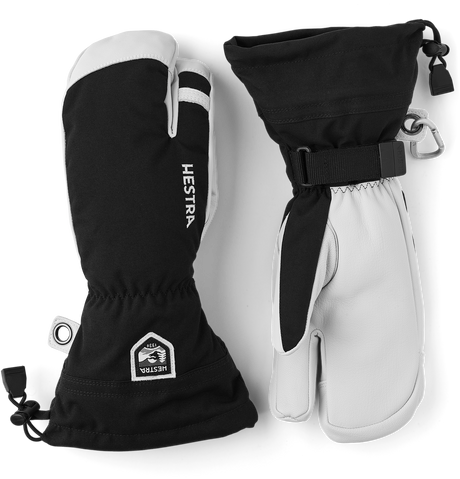
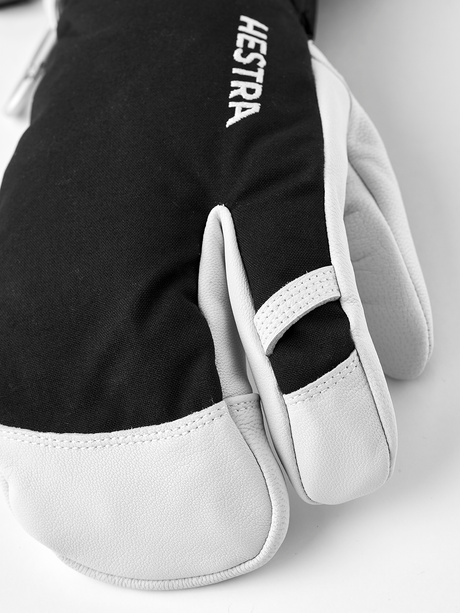
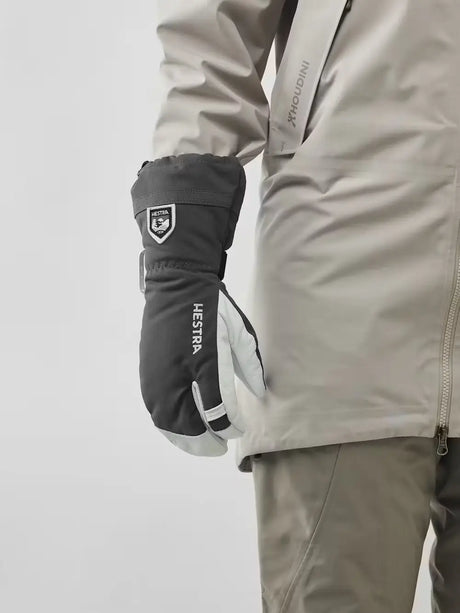
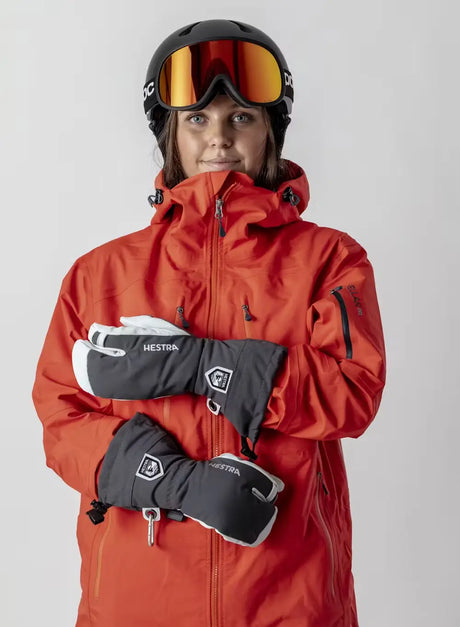
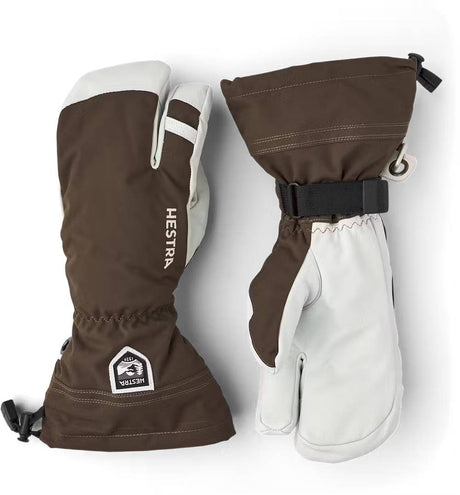
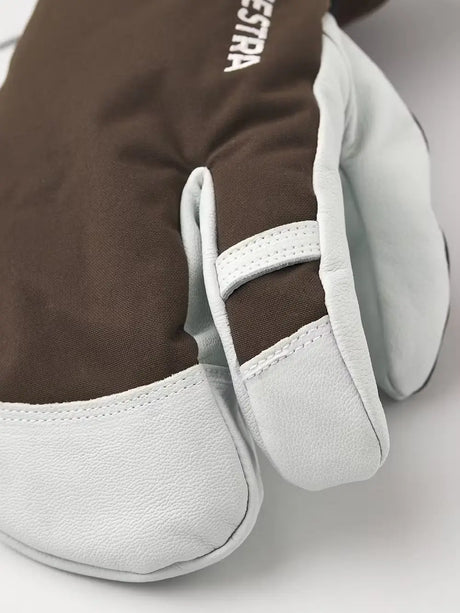
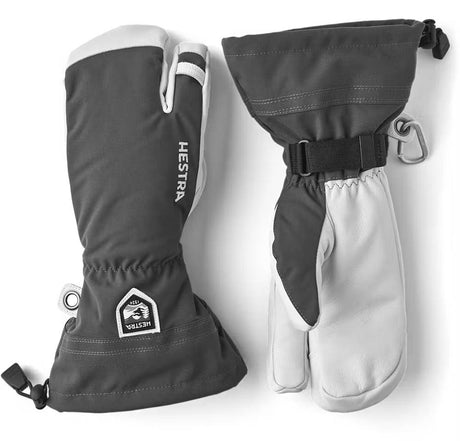
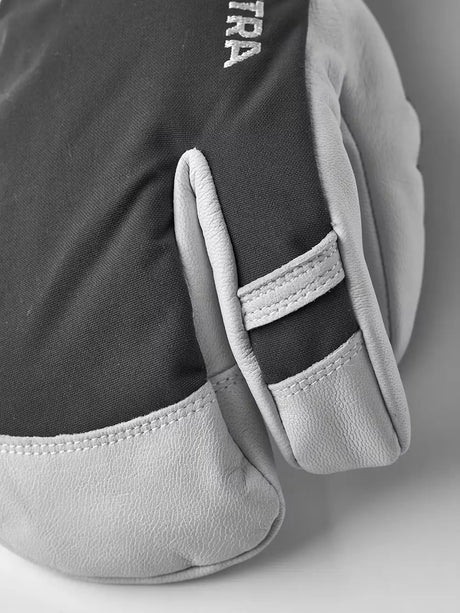
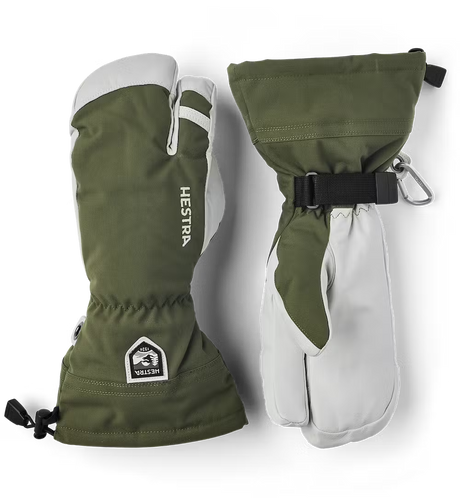
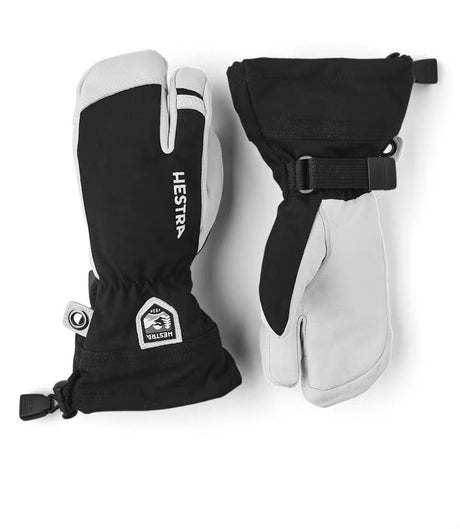
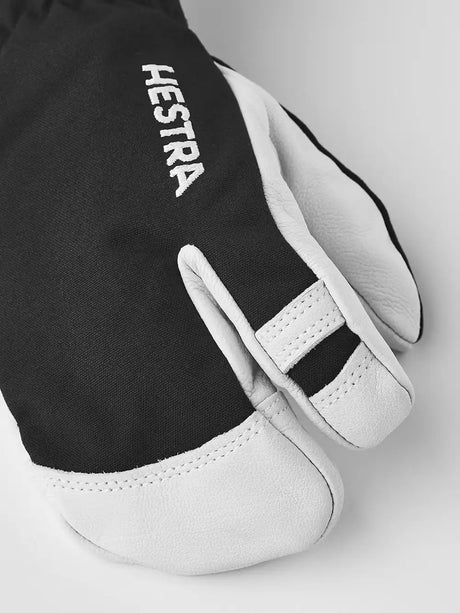
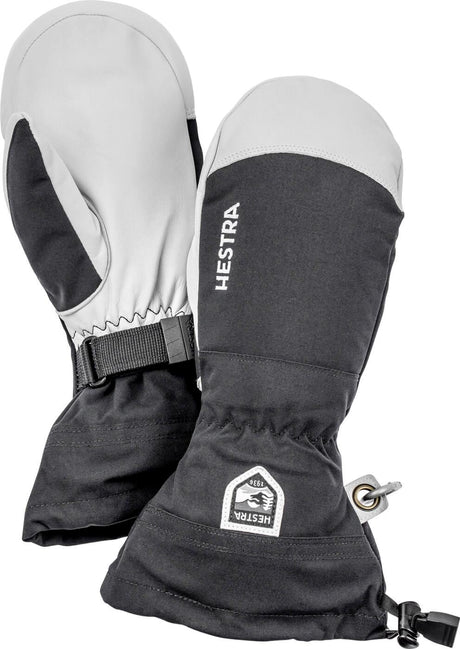
Go for a mitten if you often have cold hands. A mitten has a larger interior space that can trap more air, leading to a warmer glove. Another advantage of mittens is that the fingers warm each other. 3-finger gloves are a compromise between a mitten and a 5-finger glove.

What is the difference between mittens and gloves?

Mittens and gloves are two different types of hand clothing, which differ from each other in several ways.

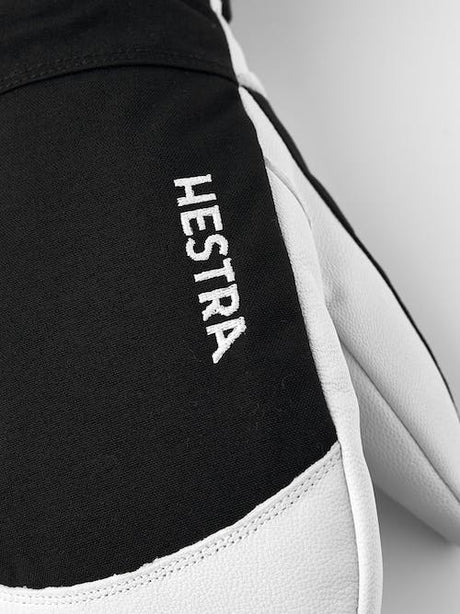
Mittens are usually made as a single unit that covers all five fingers at once, providing increased warmth and protection. However, because the mittens hold the fingers together, they can inhibit the finger's freedom of movement and provide less control and precision in grip and hand movements. Mittens are often more thermally insulated than gloves, as they collect the heat from the fingers.

Gloves cover each finger individually and provide better freedom of movement and dexterity. This makes them more suitable for activities that require precision and control, such as skiing or cycling. Gloves also provide better ventilation and less risk of moisture build-up and sweat that can occur with gloves.

Both types of hand covering can be made in different materials, depending on their purpose. Mittens can, for example, be lined with down, synthetic insulation or wool to keep the fingers warm. Gloves can have inner membranes that are breathable and waterproof to protect against water and wind while still keeping hands warm.

Ultimately, the choice of mittens or gloves depends on one's preferences, activities and weather conditions. If you tend to freeze your hands easily, you may prefer mittens, while if you need to keep your fingers free to operate technology or handles, you may prefer gloves.

Why aren't all gloves waterproof?

A glove's primary task is to keep the hands warm and dry. For many, a waterproof glove is in many cases the first choice regardless of the activity. What many people often miss is that during high activity the body temperature rises, causing your hands to sweat more. Sweaty hands require a glove that can transport moisture quickly to avoid getting cold hands. A glove with a waterproof insert can in some situations have the opposite effect, as the waterproof inserts reduce breathability. Gloves with waterproof inserts also dry more slowly.

Subheading

Hestra Ski Gloves

Hestra is a leading manufacturer of ski gloves and has been since 1936. Their ski gloves are known for their high quality and durability, and are designed to provide maximum protection and comfort in even the most extreme skiing conditions.

When you're on the slopes, your hands are one of the most exposed parts of your body. Therefore, it is essential to have the right ski gloves to protect them from cold, snow and wind. Hestra ski gloves are designed with this in mind, and are developed to provide maximum protection and comfort in even the toughest skiing conditions.

Hestra ski gloves are made from the finest materials, and each glove is carefully designed to meet specific requirements and needs. This includes everything from comfort and freedom of movement to protection from the elements and durability.

One of the most important properties of Hestra ski gloves is their thermal insulation. Most Hestra ski gloves are filled with the innovative and environmentally friendly insulation material Primaloft, which provides extraordinary warmth and protection against the cold. Primaloft is known for its high insulating capacity and light weight, making it the perfect choice for ski gloves.

Hestra ski gloves are also known for their fantastic fit and freedom of movement. The gloves are designed to fit close to the hand without feeling tight or uncomfortable. This allows you to move your hands freely and effortlessly, which is essential to have the necessary control and balance on the slopes.

Hestra ski gloves are also designed with high quality and durability in mind. The gloves are made from robust and durable materials that can withstand tough skiing conditions. This includes everything from waterproof and breathable membranes to durable leather reinforcements in exposed areas.

If you are looking for a ski glove that is perfect for your needs, then Hestra certainly has something that suits you. They offer a wide selection of ski gloves in different sizes, styles and colors so you can find one that perfectly matches your look and preference.

For example, if you are looking for a ski glove that is perfect for cross-country skiing or ski school, then the Hestra XC Primaloft Glove is a great option. This glove is designed to provide exceptional thermal insulation and protection against the cold, while providing optimal freedom of movement and control.

Which ski gloves are best?

The choice of ski gloves depends on personal preferences and needs. However, there are several factors that can help determine which ski gloves are best for you.

  • Weather conditions:
    Depending on where you ski, you may need ski gloves that are specifically designed for certain weather conditions. If you ski in cold weather, you will probably need warm and insulated ski gloves. If you ski in milder weather conditions, a pair of lighter ski gloves may be sufficient.

  • Insulation:
    The insulation in ski gloves plays an important role in their thermal properties. Down insulated ski gloves are often the warmest option, but synthetic insulation can also be a good option. Also remember that too much insulation can lead to sweaty hands and cold when you take your gloves off.

  • Water tightness:
    It is important to choose ski gloves that are waterproof to protect your hands from moisture. Gloves with a high water column are better at resisting moisture, and many ski gloves have taped seams to prevent water from entering the gloves.

  • Breathability:
    It is also important to choose ski gloves that are breathable so that your hands do not get too sweaty or clammy. Breathable ski gloves allow sweat and moisture to evaporate so your hands can stay dry and warm.

  • Fit:
    Finally, the fit is important. It's important to find ski gloves that fit your hands well to maximize their warmth and protection. Gloves that are too large can lead to cold, while gloves that are too small can restrict freedom of movement.


When looking for the best ski gloves, consider these factors and choose a glove that fits your specific needs and preferences. One of the most popular brands of ski gloves is Hestra, which offers a wide range of ski gloves with different functions and technologies to meet different needs and weather conditions.

What are the warmest ski gloves?

The warmest ski gloves depend on various factors such as your own body heat, activity level and weather conditions. In general, the warmest ski gloves are those that have thick insulation and a good waterproof outer shell.

Are mittens or gloves warmer?

Generally speaking, mittens are warmer than gloves, as they provide more space for the fingers and thus increase the warmth. The fingers can move and share the heat, creating a warmer atmosphere inside the glove. Mittens also provide a larger surface on the inside of the glove, which can retain heat longer than a glove with separate fabric for each finger.

But there are also disadvantages to mittens. Because they do not have individual spaces for the fingers, it can be more difficult to handle objects that you want to have a good grip on, such as ski poles or other tools. Gloves, on the other hand, allow better finger flexibility and precision, as the fingers are more free to move individually, which can be an advantage in certain situations.

So all in all, if warmth is the primary concern, mittens are often the best choice. However, if precision and finger flexibility are more important, a glove may be the best choice. It depends on the individual's preference and needs.

How big should ski gloves be?

The size of ski gloves varies depending on the brand, style and material. Finding the right size is important as it affects the comfort and performance of the gloves. If the gloves are too small, they can be uncomfortable and restrict blood flow to the hands, which can lead to cold and frostbite. If the gloves are too large, they may not provide sufficient warmth and protection from the weather, and you may lose sensation and dexterity.

The traditional glove sizing system was developed hundreds of years ago in France. Thousands of hands were measured, and a correlation emerged: if you measure the circumference of the palm, the other measurements of the hand are often in relation to it. Measure the circumference of your hand with a tape measure. If you don't have a tape measure, you can use a string, which you then measure with a ruler. Compare the size measurements in our size guide, which you will find on each product page.

To find the right size of ski gloves, measure your hand using a tape measure. Place the measuring tape around the palm of your hand just below the knuckles. Hold the tape measure tight, but not too tight. Then look at the size chart for that brand and style and find the size that matches your measurement.

It's also a good idea to try the gloves on before buying to make sure they fit well and feel comfortable. Some brands also offer different fit options, such as narrow or wide fits to suit different hand shapes.

It is important to note that ski gloves usually need to have some space to allow air between the glove and the skin, which helps keep the hands warm. But it must not be too big, as this can lead to the glove becoming loose and losing heat.

Size recommendations for ski gloves

It is important to find the right size from the start, as ski gloves generally do not stretch over time. There must be a small space between the hand and the glove to trap air, which makes the glove warmer. A ski glove that is too tight will most likely be perceived as colder. If you are between two unisex sizes, we recommend that you usually choose the larger one. Junior size 7 and unisex size 7 are not the same size as they follow different size ranges.

Mittens are warmer than 5-finger gloves

Go for a mitten if you often have cold hands. A mitten has a larger interior space that can trap more air, leading to a warmer glove. Another advantage of mittens is that the fingers warm each other. 3-finger gloves are a compromise between a mitten and a 5-finger glove.

What is the difference between mittens and gloves?

Mittens and gloves are two different types of hand clothing, which differ from each other in several ways.

Mittens are usually made as a single unit that covers all five fingers at once, providing increased warmth and protection. However, because the mittens hold the fingers together, they can inhibit the finger's freedom of movement and provide less control and precision in grip and hand movements. Mittens are often more thermally insulated than gloves, as they collect the heat from the fingers.

Gloves cover each finger individually and provide better freedom of movement and dexterity. This makes them more suitable for activities that require precision and control, such as skiing or cycling. Gloves also provide better ventilation and less risk of moisture build-up and sweat that can occur with gloves.

Both types of hand covering can be made in different materials, depending on their purpose. Mittens can, for example, be lined with down, synthetic insulation or wool to keep the fingers warm. Gloves can have inner membranes that are breathable and waterproof to protect against water and wind while still keeping hands warm.

Ultimately, the choice of mittens or gloves depends on one's preferences, activities and weather conditions. If you tend to freeze your hands easily, you may prefer mittens, while if you need to keep your fingers free to operate technology or handles, you may prefer gloves.

Why aren't all gloves waterproof?

A glove's primary task is to keep the hands warm and dry. For many, a waterproof glove is in many cases the first choice regardless of the activity. What many people often miss is that during high activity the body temperature rises, causing your hands to sweat more. Sweaty hands require a glove that can transport moisture quickly to avoid getting cold hands. A glove with a waterproof insert can in some situations have the opposite effect, as the waterproof inserts reduce breathability. Gloves with waterproof inserts also dry more slowly.