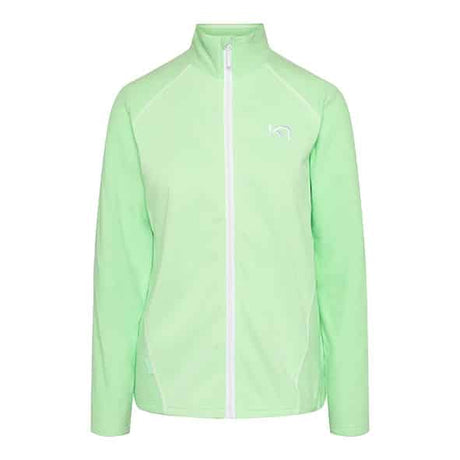
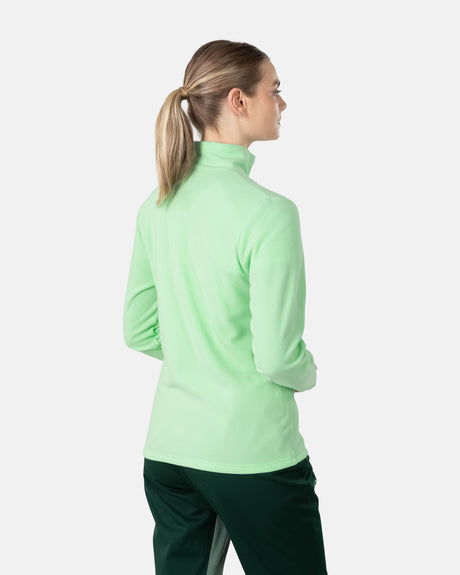
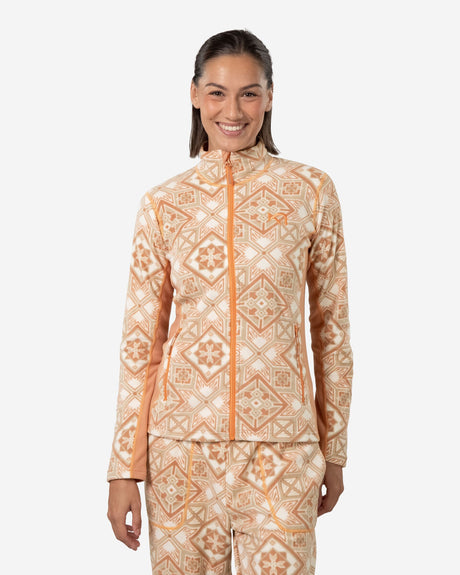
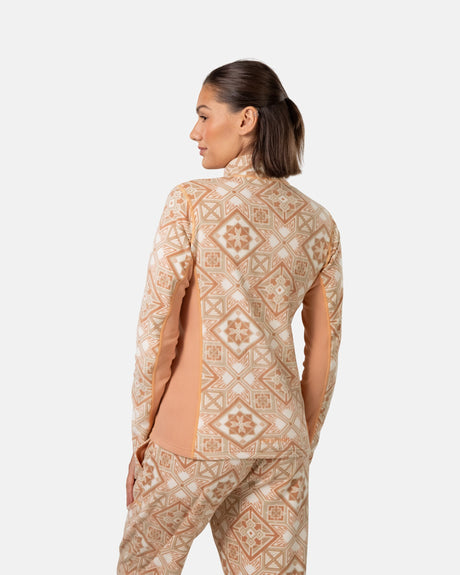
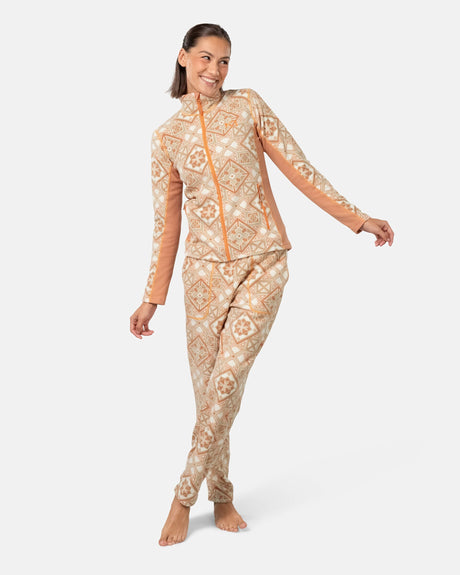
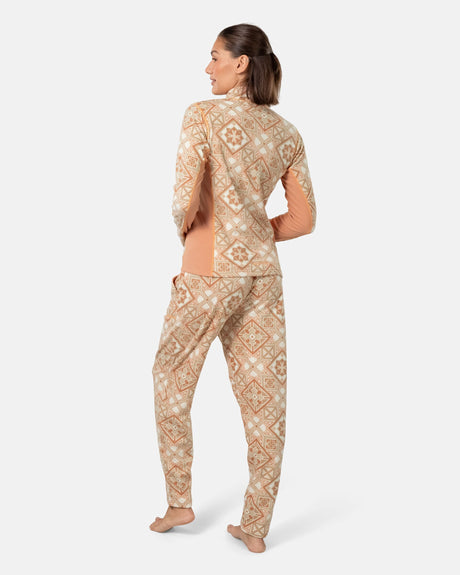
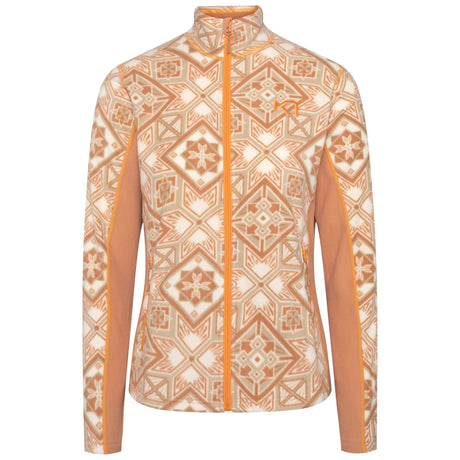
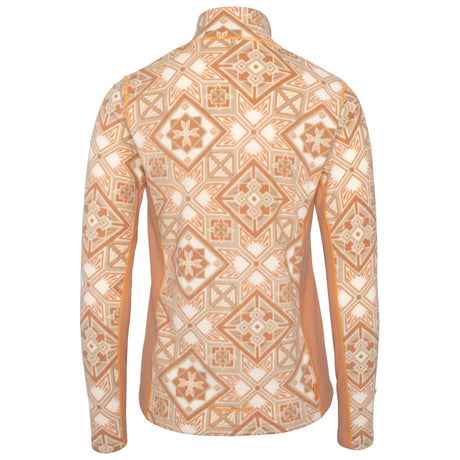
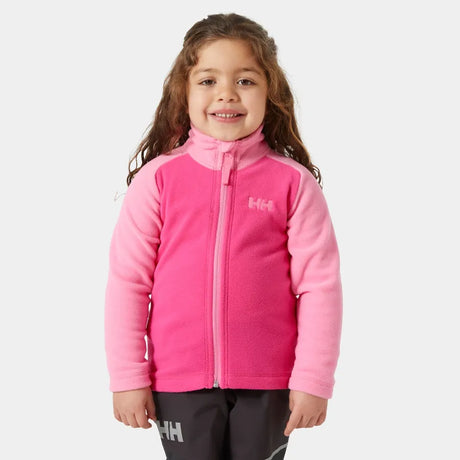
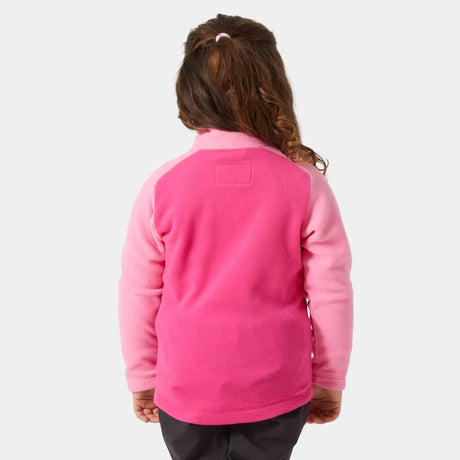
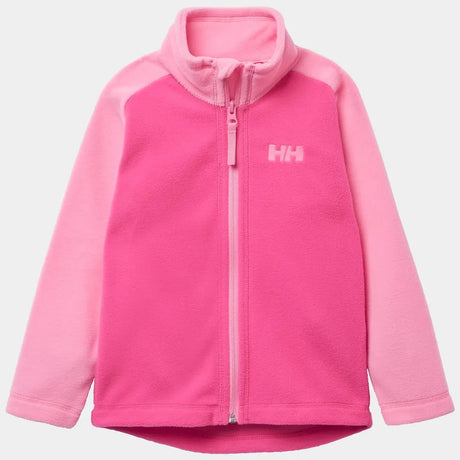
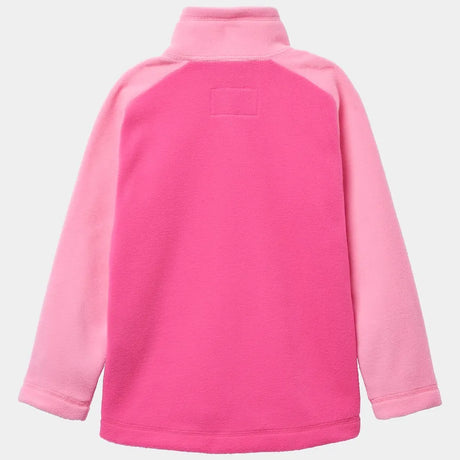
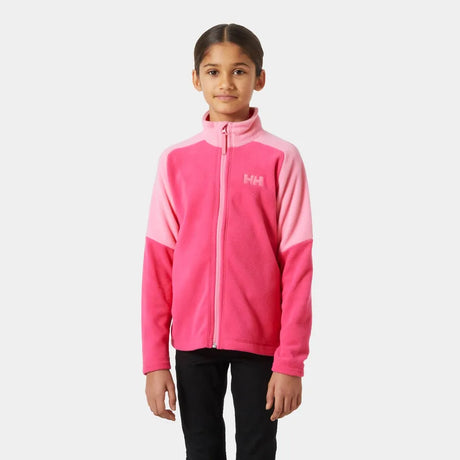
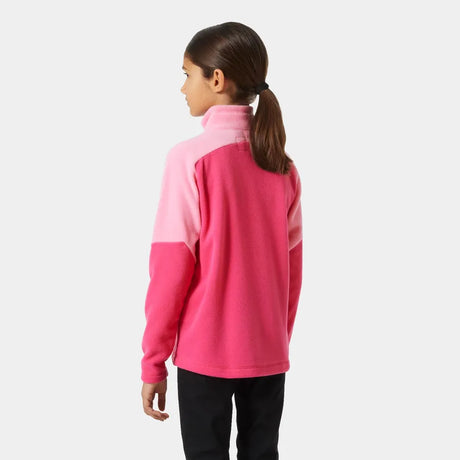
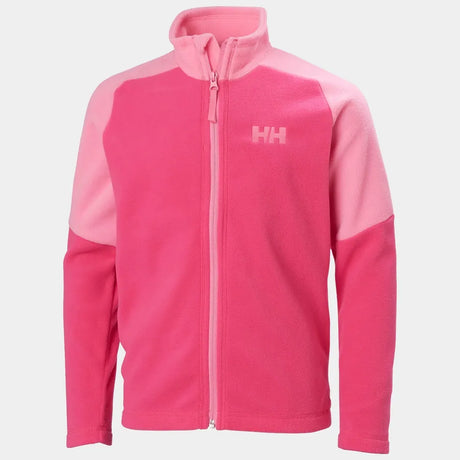
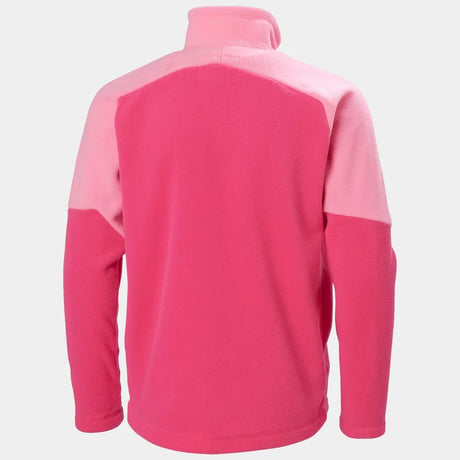
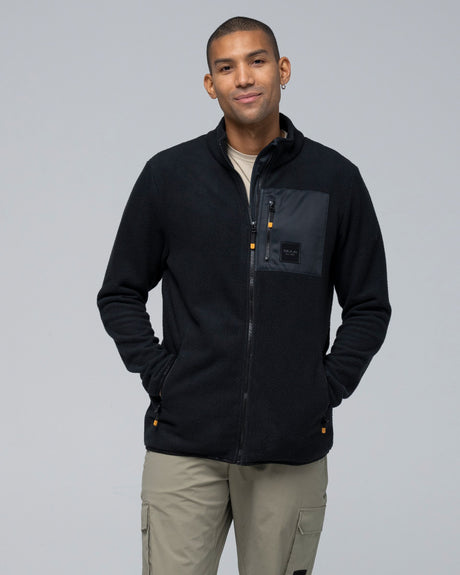
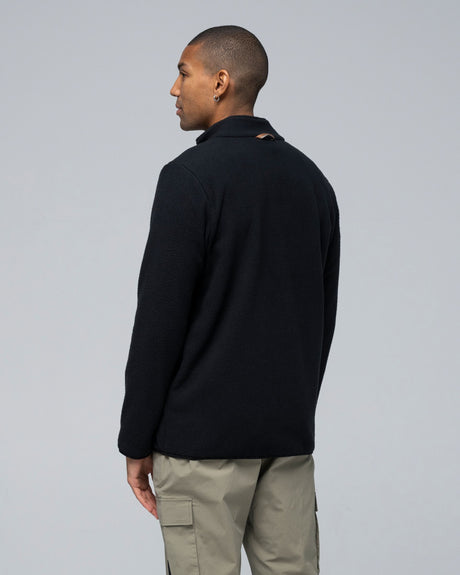
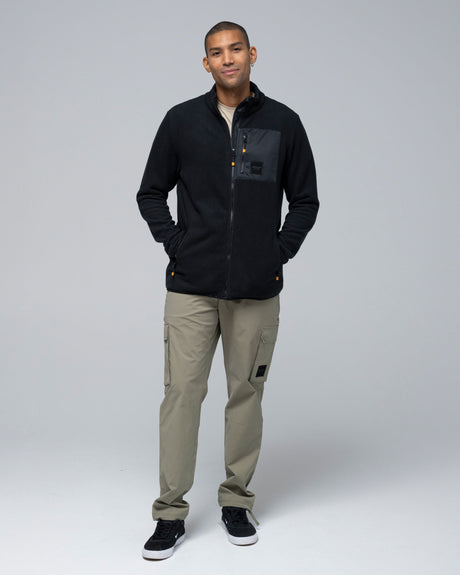
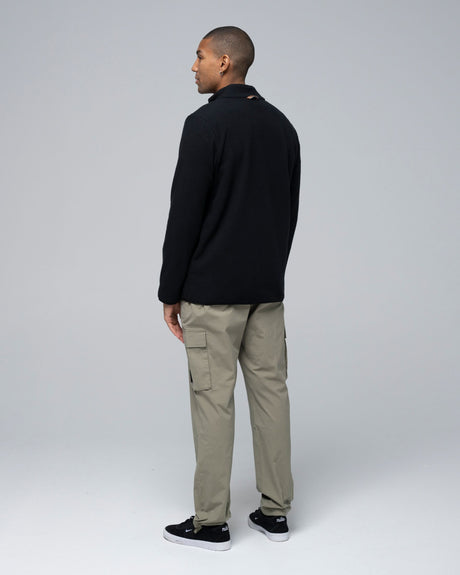
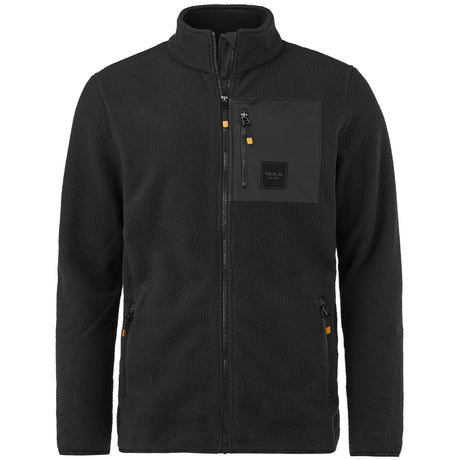
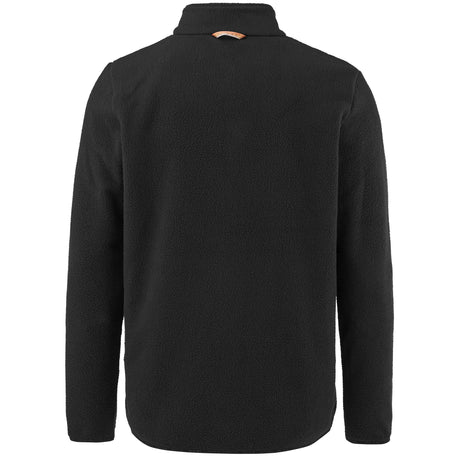
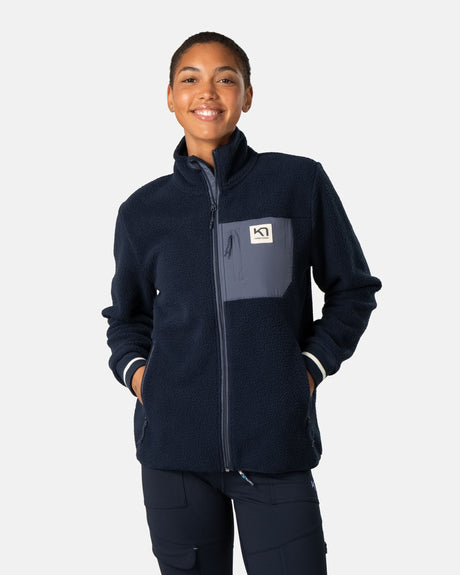
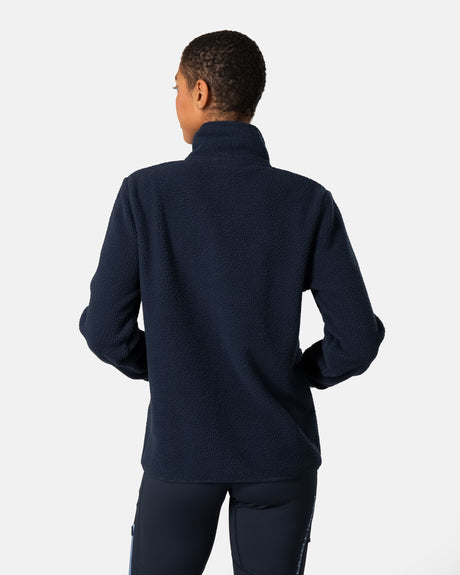
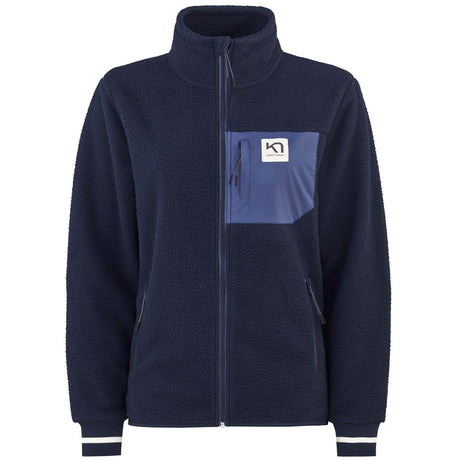
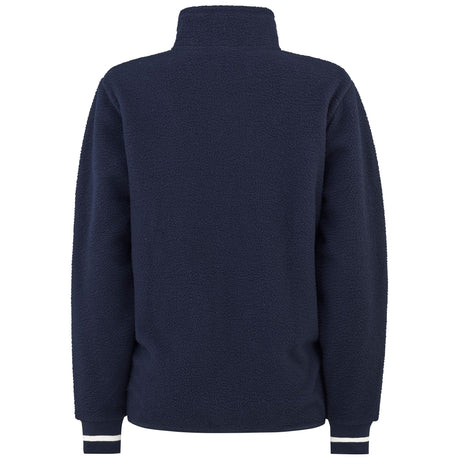
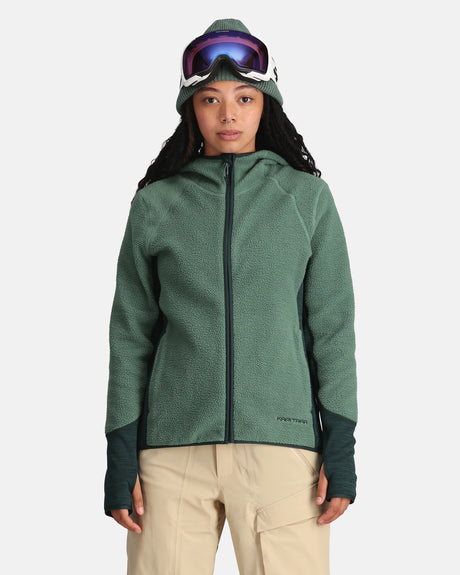
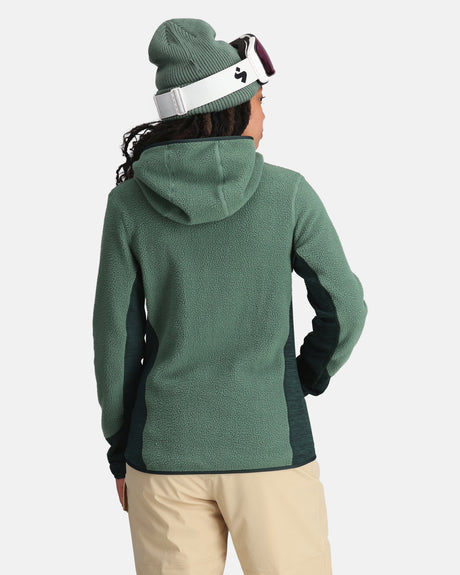
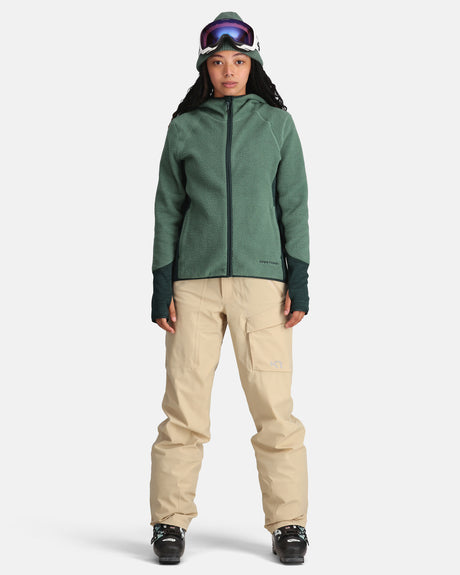
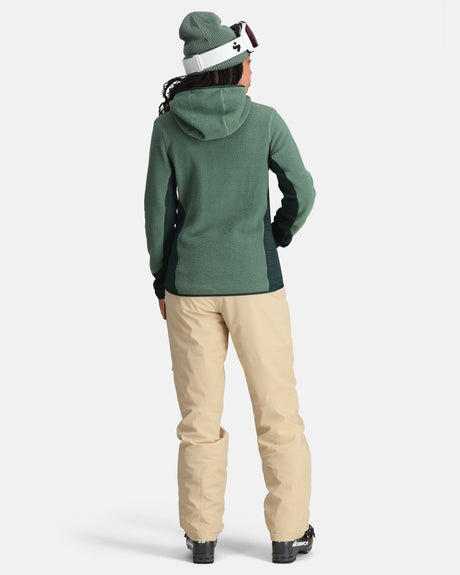
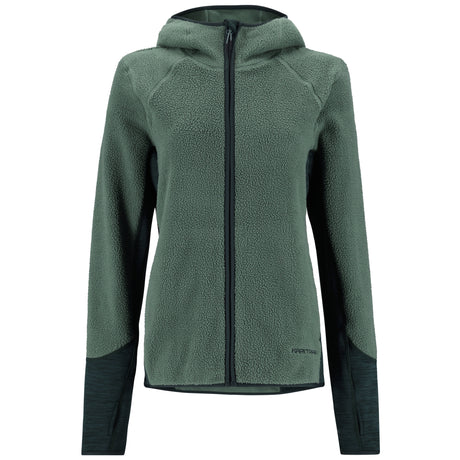
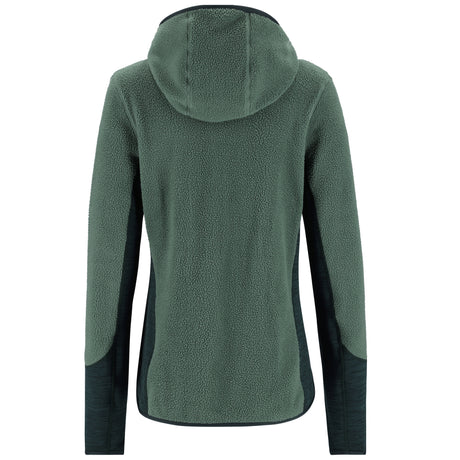
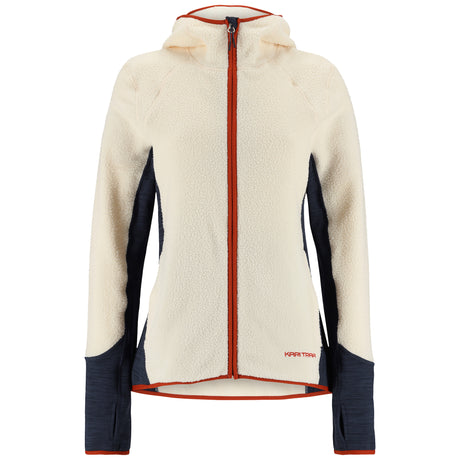
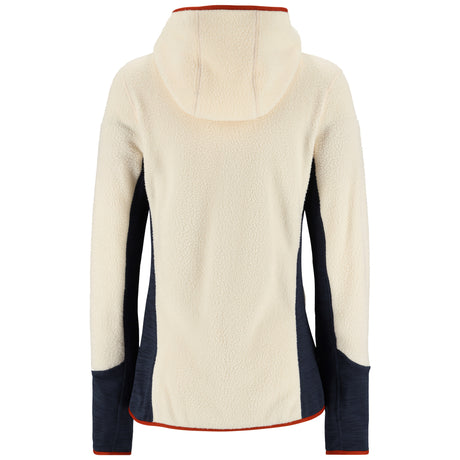
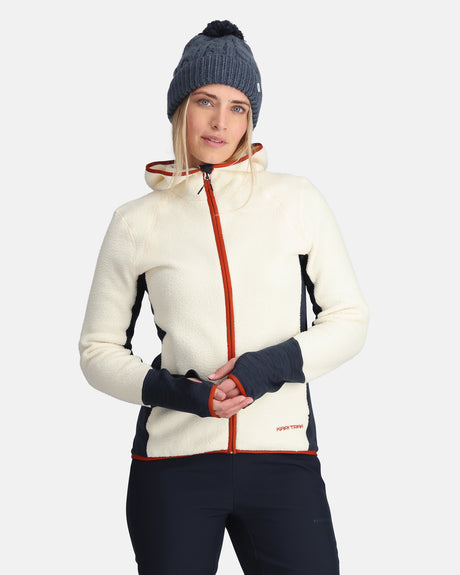
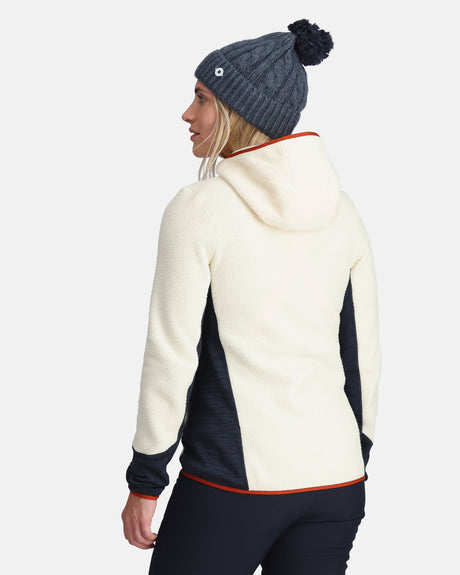
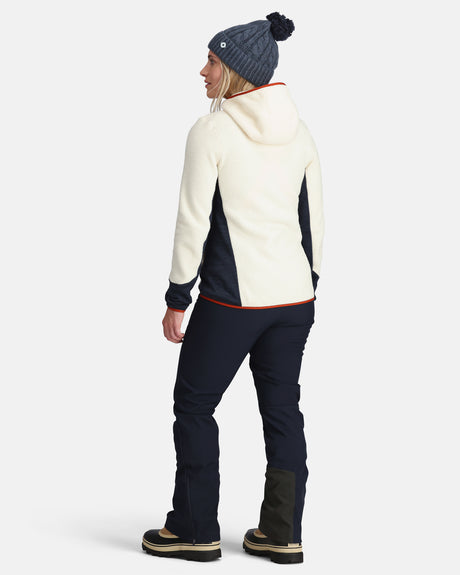
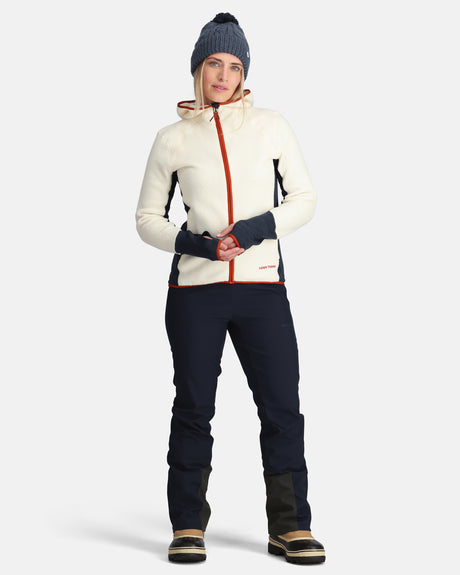
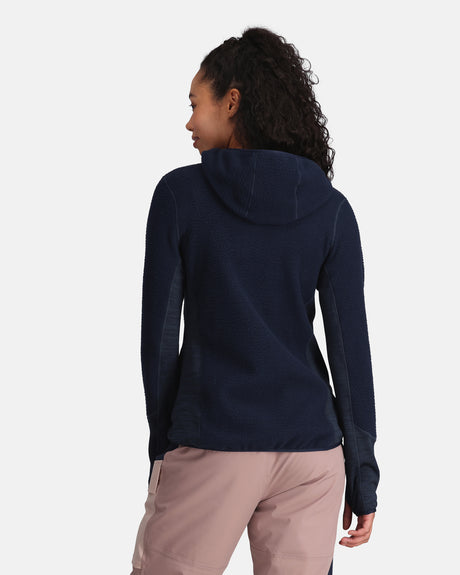
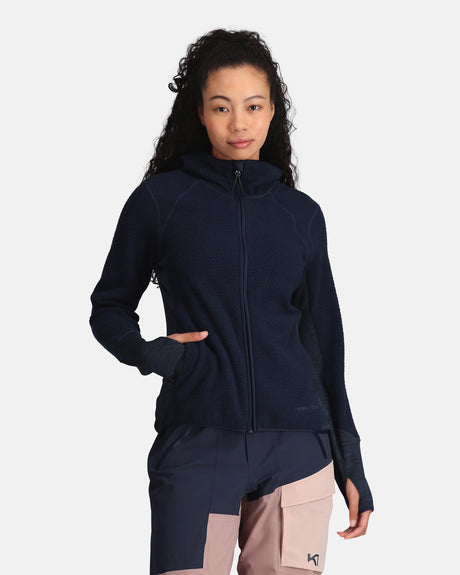
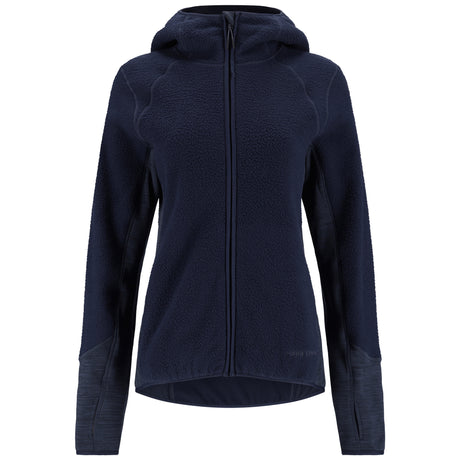
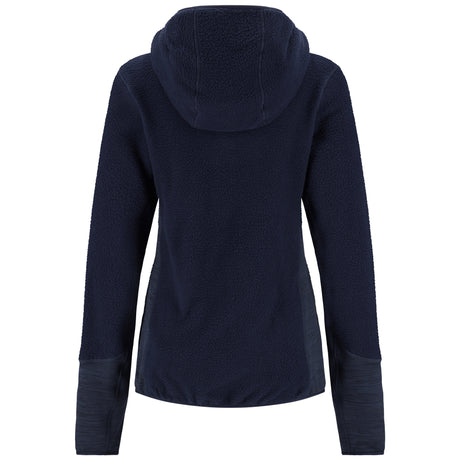
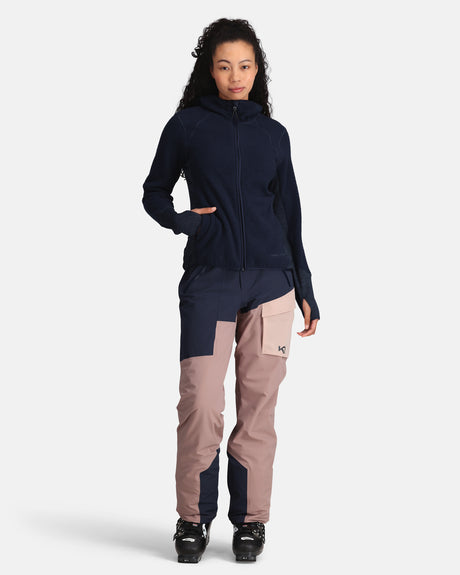
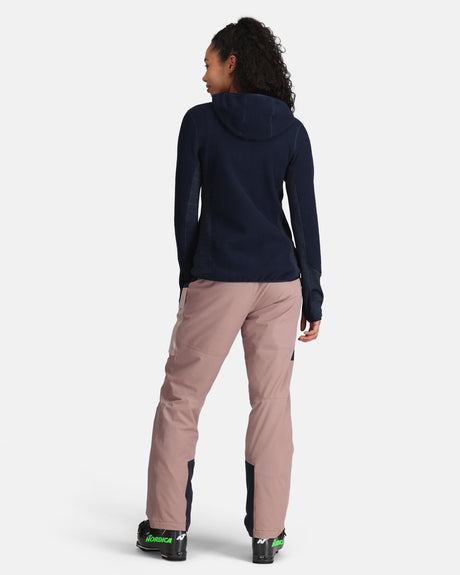
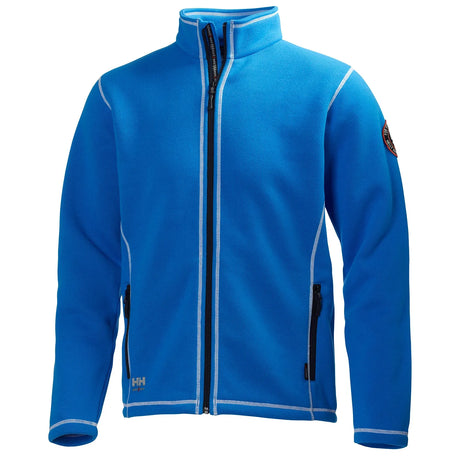
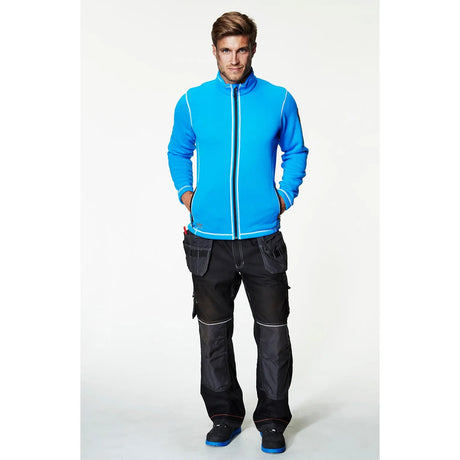
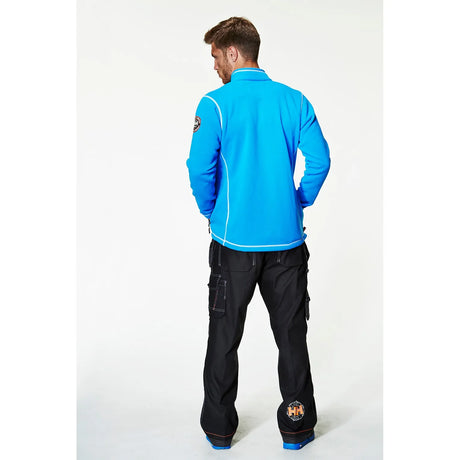
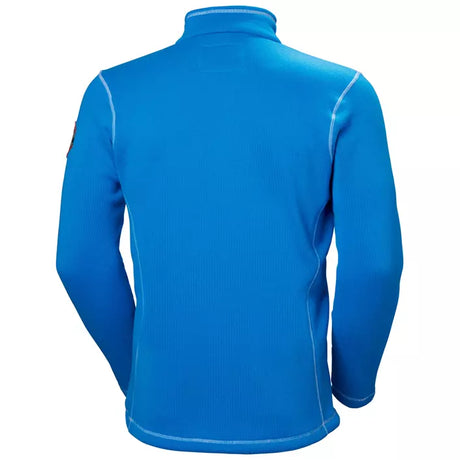
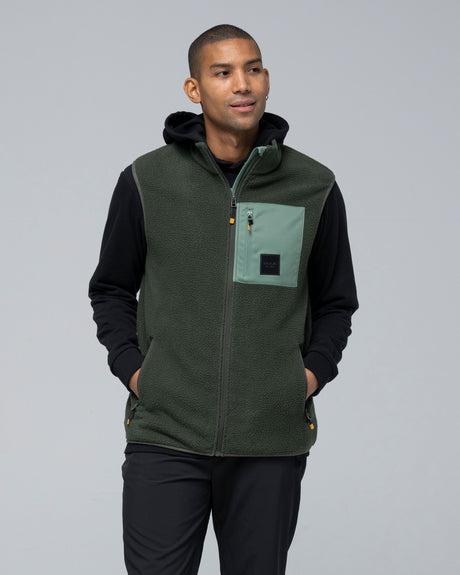
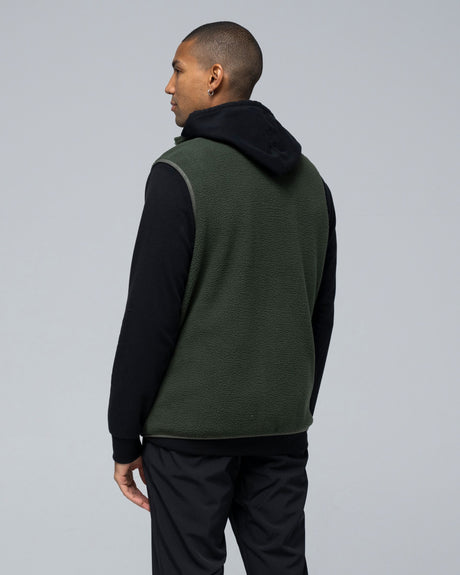
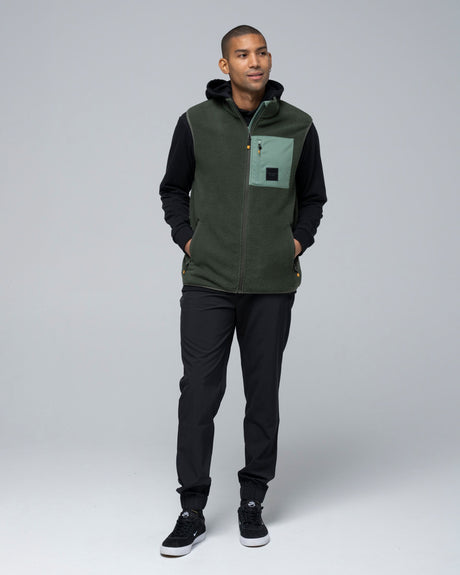
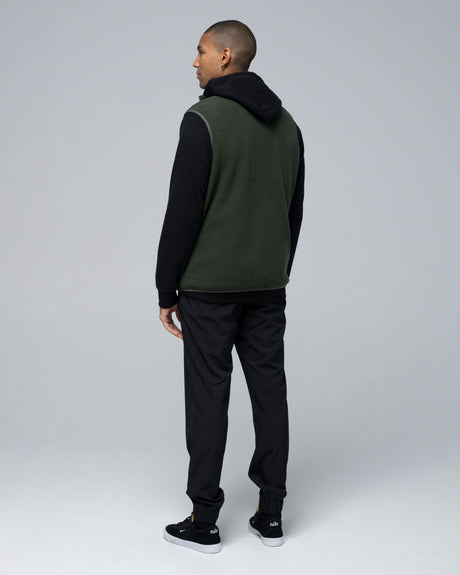
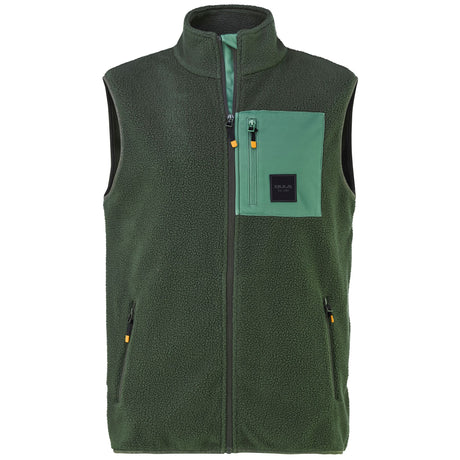
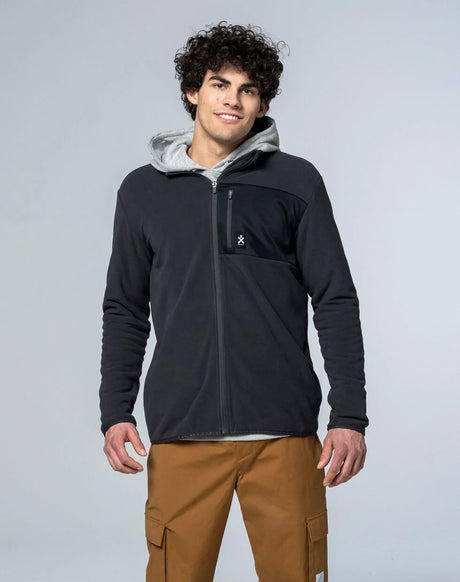
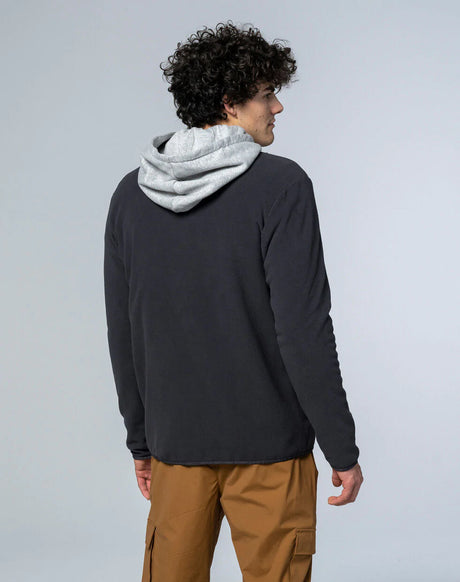
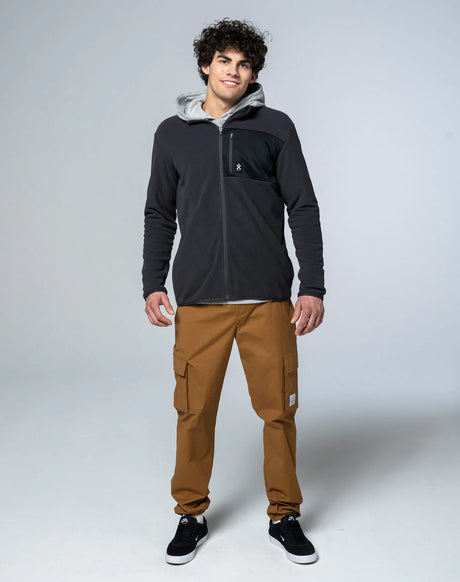
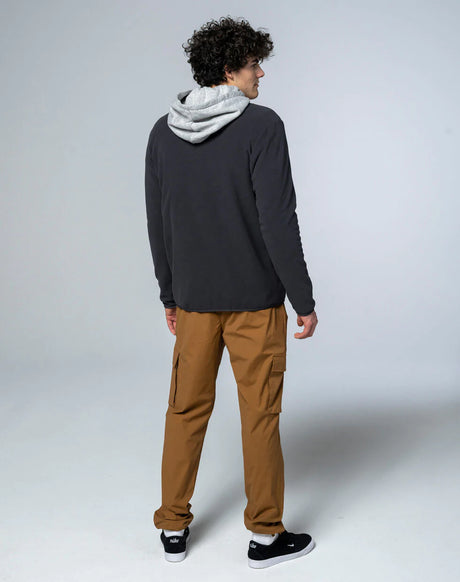
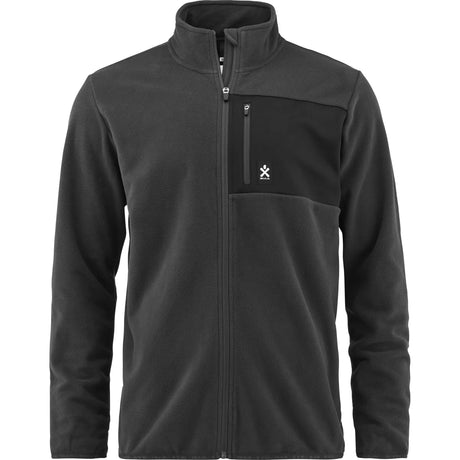
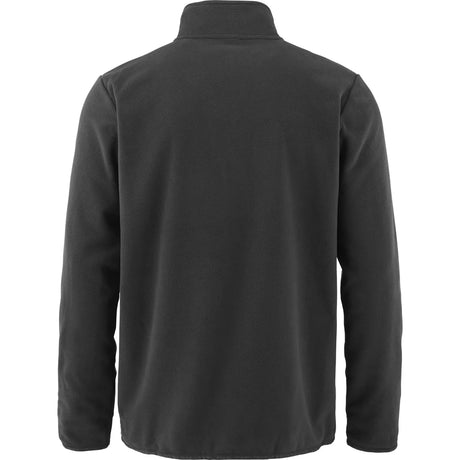
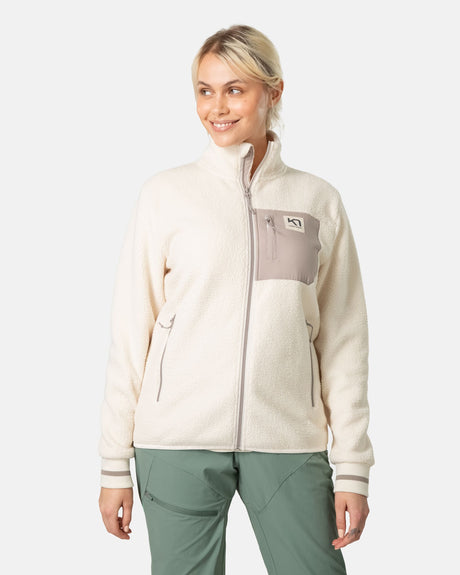
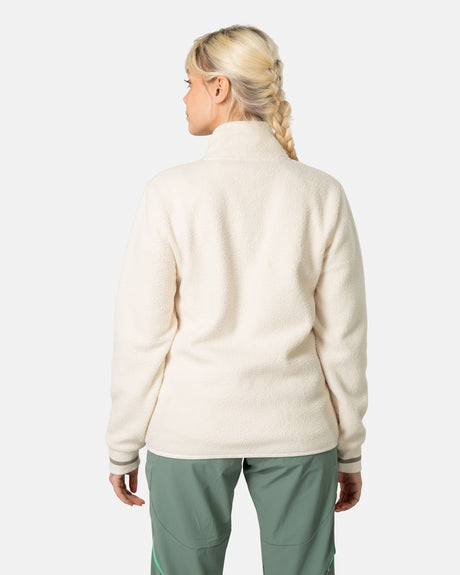
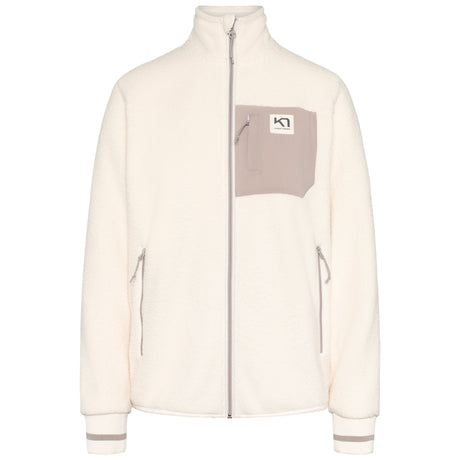
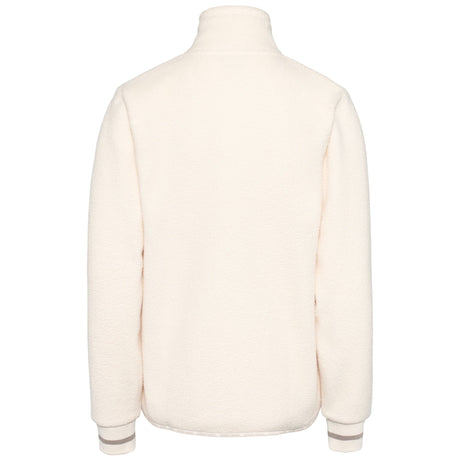
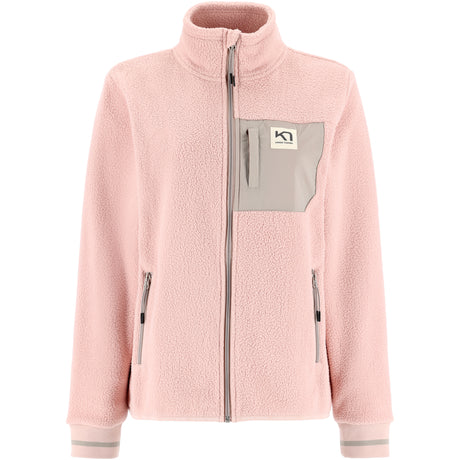
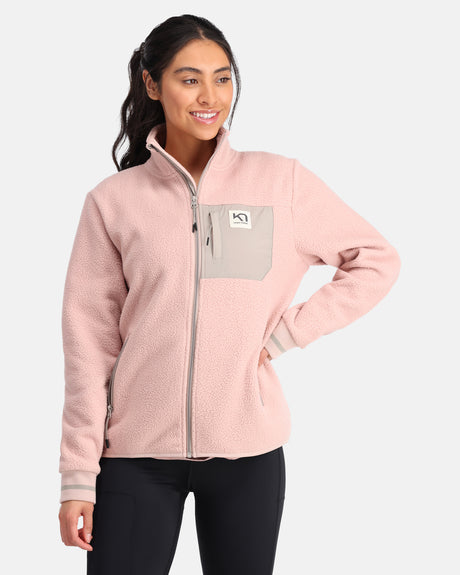
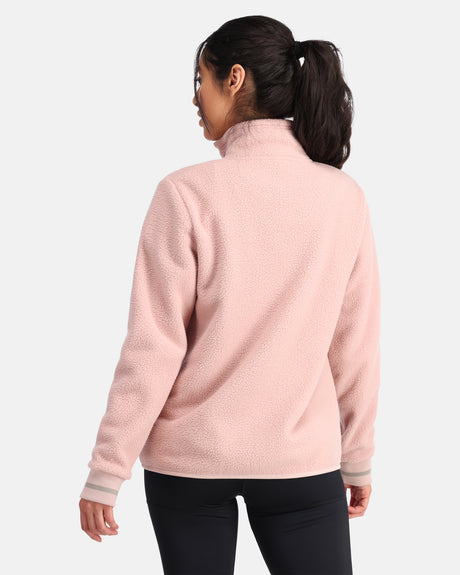
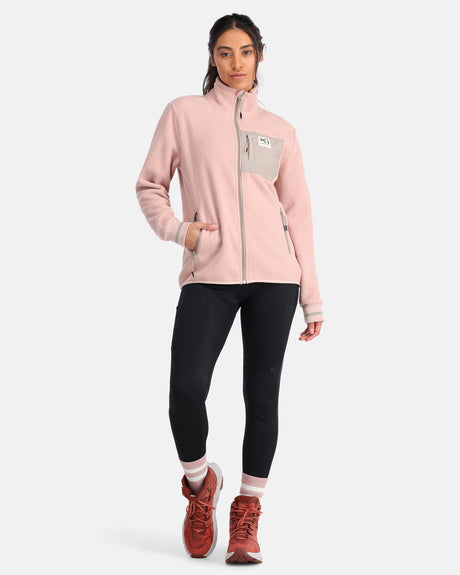
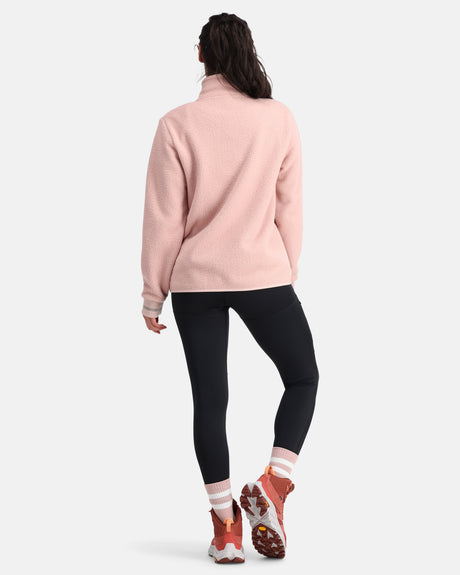
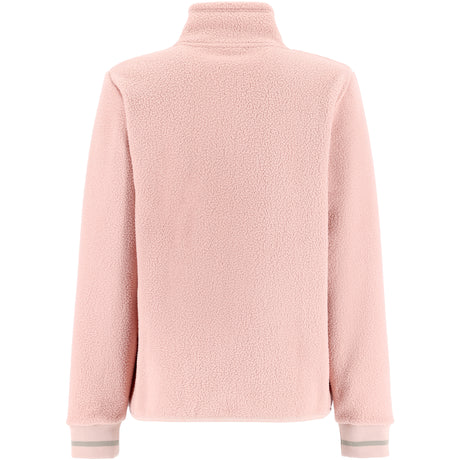
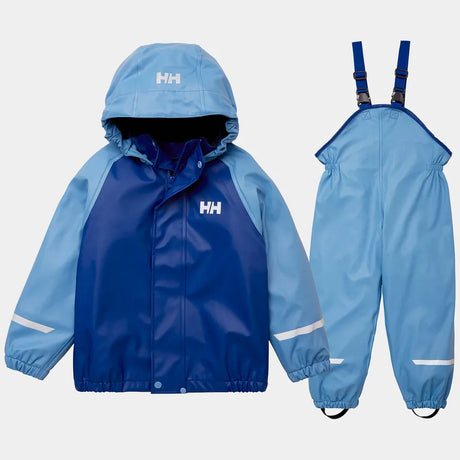
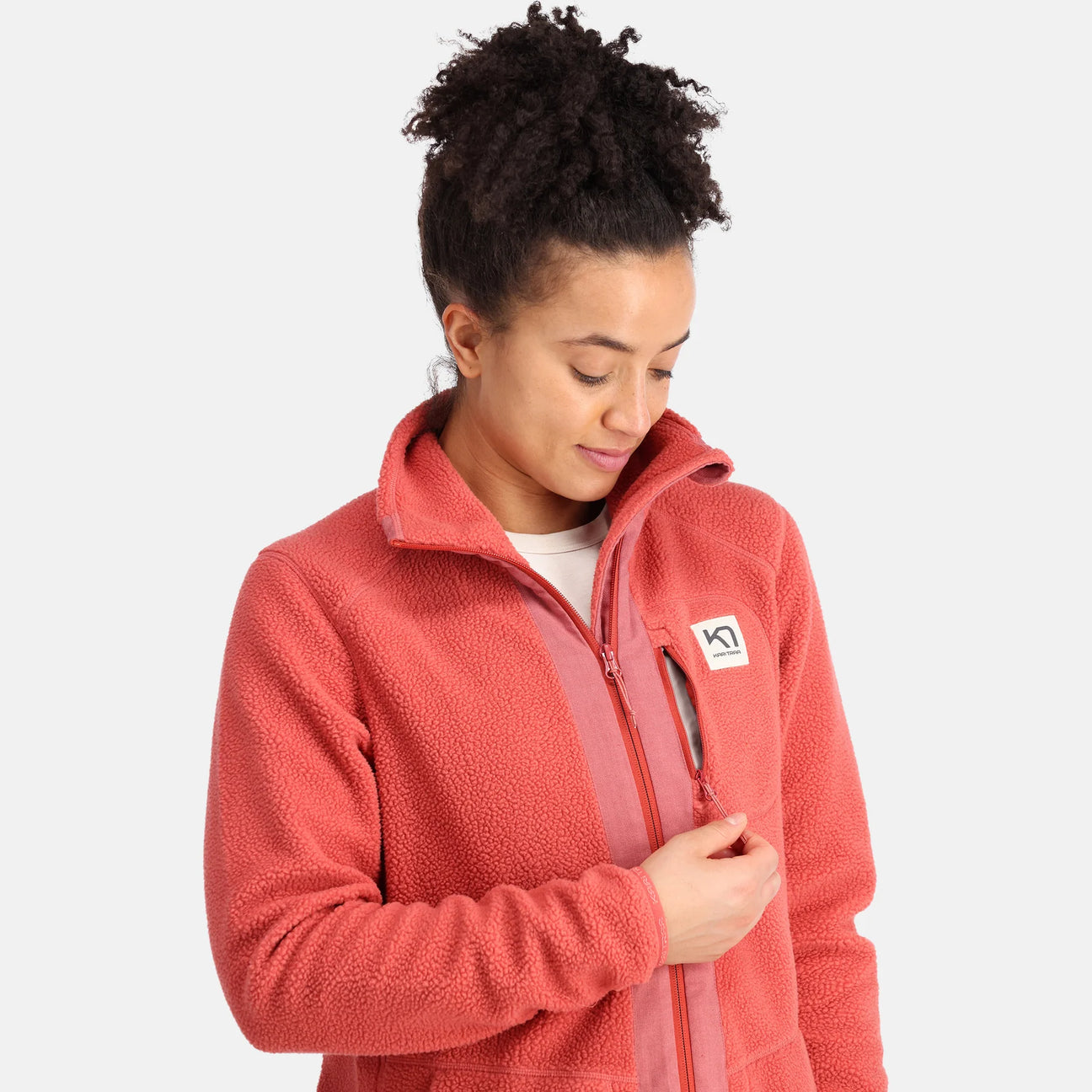
Fleece is a popular material that is often used in clothing such as sweaters, jackets, vests and as a lining. It is a synthetic fabric that is light and soft, making it ideal for use in clothing that requires freedom of movement and comfort.
Fleece is known for its insulating properties, which is why it is a popular lining in outerwear such as jackets and vests. Fleece lining helps keep the body warm by trapping body heat close to the skin and creating a warm air layer between the body and the outerwear. This makes it possible to keep warm on cold days without having to wear heavy and uncomfortable layers of clothing.
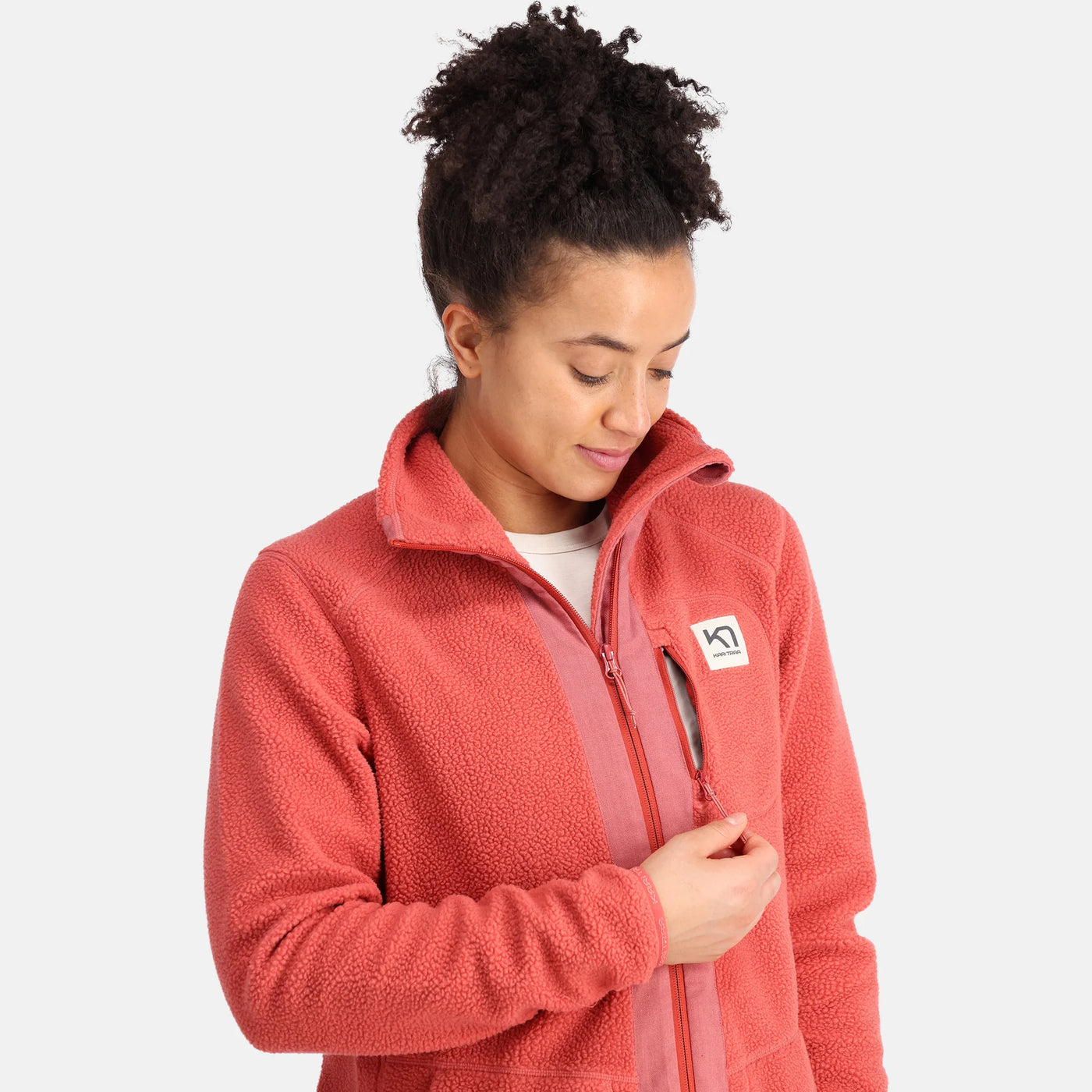
Fleece can also be used as an outer material for sweaters and jackets. Fleece jackets are popular in outdoor activities such as hiking, camping and skiing as they are light, warm and quick drying. Fleece jumpers are also popular as casual wear, as they are soft and comfortable to wear.
Fleece can be produced in different thicknesses and qualities so that it can be used in different weather conditions. Thinner fleece is ideal for spring and autumn, while thicker fleece is better suited for winter use. Fleece can also be dyed in a variety of colors and patterns, making it possible to customize the garment according to personal style and preferences.
One of the great advantages of fleece is that it is easy to maintain. It does not require special care and can be washed in an ordinary washing machine. Fleece also dries quickly, so it is possible to have a clean jacket or sweater ready for use in a short time.
In summary, fleece is a popular material in clothing, used in a variety of clothing types such as sweaters, jackets, vests and as a lining. It is known for its insulating properties, light weight and softness, making it an ideal material for outdoor activities and casual wear. With its easy maintenance and versatility, fleece has become a popular part of many people's wardrobes.
What is fleece?
Fleece is a type of synthetic fabric often used for clothing and bedding. It is a light and soft material made from polyester fibers and has good insulating properties, making it ideal for use in cold weather.
Fleece can be produced in a variety of ways, but most types of fleece are made using a process called stretching. This involves pulling and stretching the polyester fibers until they form a thin and light material that is soft and flexible. The fabric is then brushed to create a fluffy texture reminiscent of wool.
Fleece is known for having good insulating properties, which help keep the body warm by trapping body heat close to the skin. It's also quick-drying and lightweight, making it a popular choice for outdoor activities like hiking and camping.
Fleece can be found in many different thicknesses and qualities, and it can be dyed in a variety of colors and patterns. It can be used for a variety of garments, including jackets, hats, gloves and blankets, and is also popular in bedding as it is soft and warm.
In summary, fleece is a synthetic fabric made from polyester fibers that is soft, light and has good insulating properties. It is popular for use in clothing and bedding due to its warm and comfortable properties.
What is fleece made of?
Fleece is a synthetic fabric typically made from polyester or a blend of polyester and other synthetic fibers such as nylon or spandex. Polyester is a durable material that can withstand wear and tear and remains soft and supple even after repeated washing. It is also a lightweight material that is easy to dry and does not absorb moisture, making it a good choice for sportswear and outdoor activities. Fleece can be produced in different thicknesses and qualities depending on the desired purpose, and it can be dyed in a variety of colors and patterns.
Is fleece cotton?
No, fleece is not cotton. Fleece is made from synthetic materials, typically polyester, which is a man-made substance. Cotton, on the other hand, is a natural plant fiber that is mainly grown in warm climates such as the United States, India and China. Invented in the 1970s as an alternative to wool and cotton, fleece is known for its light weight, warmth, softness and moisture-wicking properties. Polyester, which is the main component of fleece, is also resistant to wrinkles and pilling, which means that fleece usually does not require ironing or special care. Cotton, on the other hand, is known for being soft, breathable and comfortable against the skin. It is also a natural substance that can be more sustainable than synthetic materials, depending on how it is grown and processed. Although fleece is not made from cotton, it is still a popular choice for clothing and gear for outdoor activities due to its many benefits and durability.
Is fleece made of polyester?
Yes, fleece is typically made of polyester or a blend of polyester and other synthetic fibers such as nylon or spandex. Polyester is a durable and lightweight synthetic fiber that is ideal for use in clothing and especially fleece because of its softness, resistance to abrasion and ability to dry quickly. In addition, polyester can also be easily dyed in different colors and patterns, making it possible to produce a large variety of fleece and clothing styles.
Is the fleece woven?
Fleece is not a woven fabric, but a knitted fabric. Fleece is made from polyester fibers that are knitted together to form a soft, light and insulating material. Knitting fleece makes it possible to create a fabric with many small pockets that can hold air, which gives fleece its insulating properties.
Knitting is a technique where threads or fibers are knitted together to form a fabric. Knitting differs from weaving in that threads are crossed over and under each other to create a fabric. Because fleece is knitted, it usually has more elasticity than woven fabrics, making it more comfortable to wear and more flexible in movement.
What can fleece be used for?
Fleece is a versatile fabric that can be used in a variety of applications and clothing styles. Here are some of the most common ways fleece can be used:
-
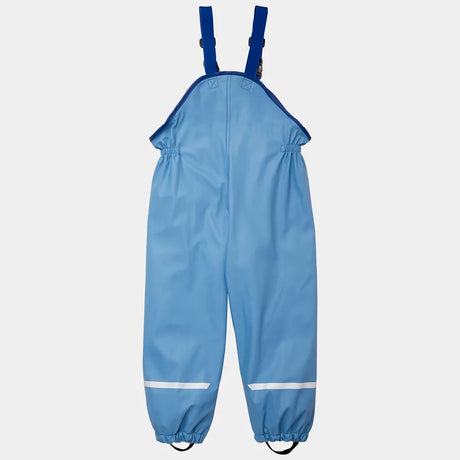
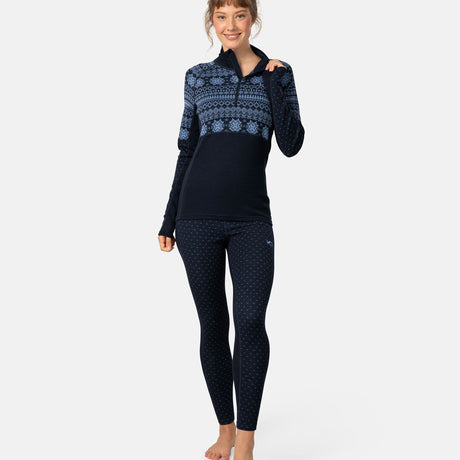
Clothing: Fleece can be used to make sweaters, jackets, vests, pants and tights, as well as clothing for outdoor activities such as ski and snowboard clothing, hiking boots and raincoats.
-
Blankets: Fleece is also popular for making blankets and bedding. It is soft and comfortable, and can retain heat well.
-
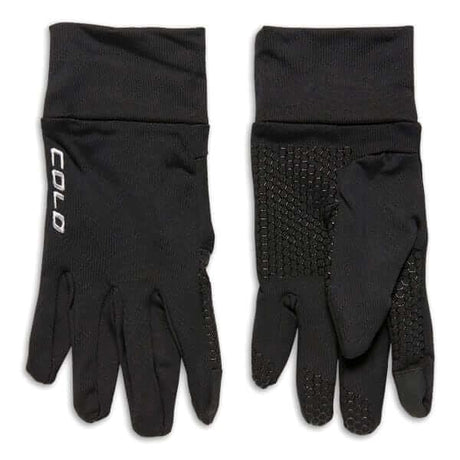
Hats and gloves: Fleece is also a popular material for making hats and gloves, as it is soft and warm, and can protect the head and hands from the cold.
-
Duvet cover: Fleece can also be used as a material for duvet covers, as it can retain heat well and feels soft and comfortable against the skin.
-
Baby clothes: Fleece is also a popular material for baby clothes as it is soft and safe for their skin.
In addition to the above uses, fleece is also popular for use in camping equipment and travel accessories such as sleeping bags, backpacks and travel suitcases.
Why is fleece good?
Fleece is good for several reasons. Firstly, fleece is a warm and insulating material that keeps the body warm in cold weather. It's also a lightweight material that makes it easy to move freely, making fleece a popular choice for outdoor activities like hiking, camping and skiing.
Fleece is also known to have good moisture transport properties. This means it can absorb sweat from the body and pull it away from the skin, keeping you dry and comfortable. This is especially important when performing physical activities, as damp or wet clothing can lead to discomfort and even hypothermia.
Finally, fleece is also a durable material that can be washed and dried at high temperatures without losing its shape or color. It is also resistant to pilling, which is when small lumps or threads form on the fabric.
All in all, fleece is a versatile and reliable material that is ideal for outdoor activities as it provides both warmth and comfort in cold weather, while having good moisture transport properties and a durable construction.
Can fleece withstand water?
Fleece is not waterproof, but it can absorb a certain amount of water before it gets wet and starts to feel heavy and cold. Fleece is typically made from polyester fibers that are not inherently water-repellent, but some manufacturers can treat the fleece with a water-repellent coating to help repel water.
If fleece is exposed to a small amount of water, for example light rain or dew, it will typically dry relatively quickly and will continue to provide warmth and comfort even when slightly damp. However, if the fleece is exposed to a large amount of water, for example by being soaked in rain or falling into water, it will absorb the water and become wet, which can lead to hypothermia and discomfort.
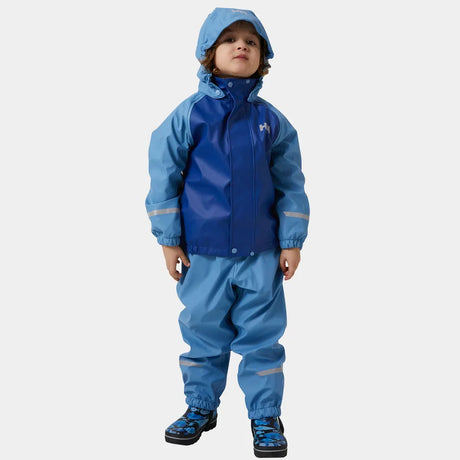
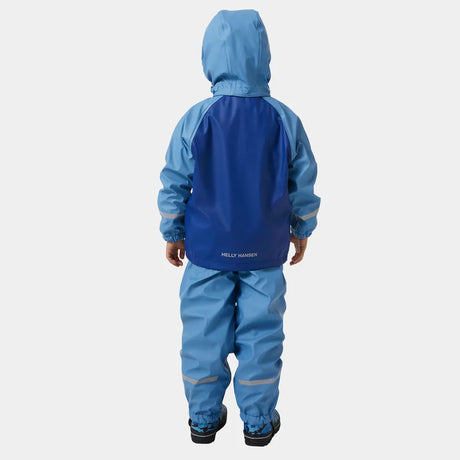
Therefore, it is usually not recommended to use fleece as the only layer in wet weather conditions. If you plan to do activities in wet or rainy conditions, it is best to wear a waterproof or water-repellent outer layer over your fleece to keep you dry and warm.
Can you wash a fleece?
Yes, it is usually possible to wash a fleece. Fleece is typically made from synthetic materials such as polyester, which can usually withstand washing in a washing machine. However, it is important to read the washing instructions on the product and follow them carefully, as some types of fleece may require special treatment.
In general, fleece should be washed separately from other garments and washed with similar colors. It is usually recommended to wash the fleece at a low to medium temperature and use a mild detergent without bleach. It is also important to avoid using fabric softener, as this can damage the fabric's fibers and reduce its insulating and moisture-transporting properties.
After washing, fleece can usually be tumble dried on low to medium heat or air dried. It is important to avoid excessive heat and direct sunlight as this can damage the fabric. It may also be a good idea to dry the fleece flat to maintain its shape and avoid wrinkling.
If you are unsure how to wash your fleece, it may be a good idea to follow the manufacturer's washing instructions or contact a professional dry cleaner or laundry for advice.
Is fleece windproof?
Fleece is generally not windproof, as the material is designed to be breathable and insulating rather than blocking wind. Fleece is usually made from a light and airy fabric that allows air to circulate and moisture to pass through, making it ideal for outdoor activities where you need warmth and comfort but still want to be able to breathe.
Although fleece is not windproof, it can still provide some protection from the wind, especially if combined with a windproof shell jacket or other garment. Some types of fleece are also more resistant to the wind than others, depending on the density and weight of the fabric.
If you need a windproof garment for outdoor activities, consider investing in a windproof jacket or shell jacket that can be worn over your fleece to provide extra protection from wind and weather.
Can you breathe in fleece?
Yes, fleece is usually designed to be breathable, meaning it allows air to circulate and moisture to pass through so you can breathe. This makes fleece an ideal material for outdoor activities where you need warmth and comfort while also wanting to be able to breathe freely.
Fleece usually consists of synthetic materials, such as polyester, that are manufactured in a way that gives the fabric good breathable properties. Fleece also tends to be light and airy, which helps keep you dry and comfortable, even during sweaty activities.
However, it is important to remember that some types of fleece can be more breathable than others, depending on the density and weight of the fabric. If you need a particularly breathable fleece, it may be a good idea to choose a lightweight model that is designed to be more breathable and moisture wicking.
Generally speaking, however, you can expect fleece to be breathable and allow you to breathe freely during outdoor activities.
Are fleece jackets and sweaters warm?
Yes, fleece jackets and sweaters are generally warm. Fleece is a synthetic material designed to provide warmth and comfort and is known to be one of the best insulating materials available today.
Fleece has a natural ability to retain heat even when it gets wet and is also able to regulate your body temperature, meaning it keeps you warm when it's cold but also breathable enough to keep you comfortable when the temperature rises.
Fleece jackets and sweaters come in different thicknesses and densities, and some types of fleece are warmer than others. The thickness and density depend on the weight of the fabric and the number of fibers per square meter. The heavier and denser the fabric, the warmer the jacket or sweater will usually be.
Fleece is also a very versatile material and can be used for a variety of activities including hiking, camping, skiing, running and everyday use. It's easy to move in, and it's also durable and easy to care for, making it a popular choice among outdoor enthusiasts and regular consumers.
Is wool warmer than fleece?
Wool and fleece are both materials known for their thermal properties, but they have different advantages and disadvantages when it comes to thermal insulation.
Wool is known to be a natural insulator that can keep you warm even when wet. Wool also has a unique ability to regulate body temperature, meaning it can keep you warm when it's cold, but also cool when it's hot. Wool is also a naturally breathable material that allows air to circulate, helping to reduce sweat and moisture.
Fleece is also a warm material, but it is usually more lightweight and dries faster than wool. Fleece is usually more breathable than wool and can provide more efficient moisture transport, meaning it can help keep you dry and comfortable, even during activity where you sweat.
All in all, it can be said that it depends on the situation and one's personal preferences, which material is the warmest. If you are looking for a light and breathable insulation that dries quickly and is easy to care for, fleece may be the best choice. If you are looking for a natural insulator that is warmer and can keep you dry even in wet conditions, wool may be the best choice.
What does fleece mean?
The word "fleece" originates from the English language and originally referred to wool from a sheepskin. The word was later transferred to the synthetic fabric we know today as fleece.
The word "fleece" was originally used to describe the soft, woolly fur that could be obtained from sheep by shearing their wool. In ancient Greece, sheep's wool was called "fleece", and the myth of Jason and the golden skin that had to be obtained from a bull with golden fleece is an example of how wool has had a special meaning throughout history.
When synthetic fabrics such as polyester were introduced, the name "fleece" was also transferred to this fabric, as it recalls the soft, insulating quality of wool. Thus, "fleece" today refers to both wool from animals and synthetic fabrics that are knitted or structured in a way that provides a soft and insulating material.
How to pronounce fleece?
The word "fleece" is pronounced in English as [fliːs]. The first part of the word, "flee", is pronounced with a long "e" sound like in the word "bee" in English. The second part of the word, "-ce", is pronounced as an s sound, as in the word "nice" in English. So when you put the two parts together, you get the pronunciation "fliːs".
Is there a difference in fleece?
Yes, there is a difference between different types of fleece. Fleece is available in different weight classes, thicknesses and qualities, depending on the purpose for which the fabric is to be used.
Fleece can be made of different materials, but the most common is polyester. Fleece can also vary in its density and quality depending on the production techniques and materials used. Some fleece fabrics are more breathable than others and may have different surface treatments that make them water-repellent or windproof.
Another factor that can vary is the way the fleece is constructed. There are, for example, different types of fleece, which include polar fleece, microfleece and sherpa fleece. Polar fleece is a thick and soft fabric, while microfleece is a lighter version with a denser construction. Sherpa fleece is a fabric with a wool-like structure on one side and a smooth surface on the other.
So, all in all, there can be a big difference in the quality, density, thickness and construction of different types of fleece, depending on the purpose for which the fabric is to be used.
Who invented fleece?
Fleece was invented in the 1970s by an American textile engineer named Aaron Feuerstein, who was the founder of Malden Mills Industries, Inc. He was looking for a new type of fabric that could replace wool, which was more expensive and had some disadvantages such as shrinkage and wear. Feuerstein and his team developed a synthetic material using polyester that was treated in a special way to make it soft, warm, insulating and moisture-wicking. The new fabric was called "fleece" after the soft, warm and plush characteristic of a freshly sheared sheepskin.
Feuerstein and his team were pioneers in the synthetic textile industry, and their invention of fleece became one of their greatest successes. Fleece quickly became popular with skiers, hikers and other outdoor enthusiasts as it was lighter, more durable and cheaper than wool. Since then, fleece has become a popular textile for outdoor clothing and is also used in a variety of other products including blankets, sleeping bags, rucksacks, bags and industrial insulation.


 SEE THE SELECTION
 Spar op til 29%
 BUY NOW